

What Is Chemotherapy? How It Works, Side Effects & Care
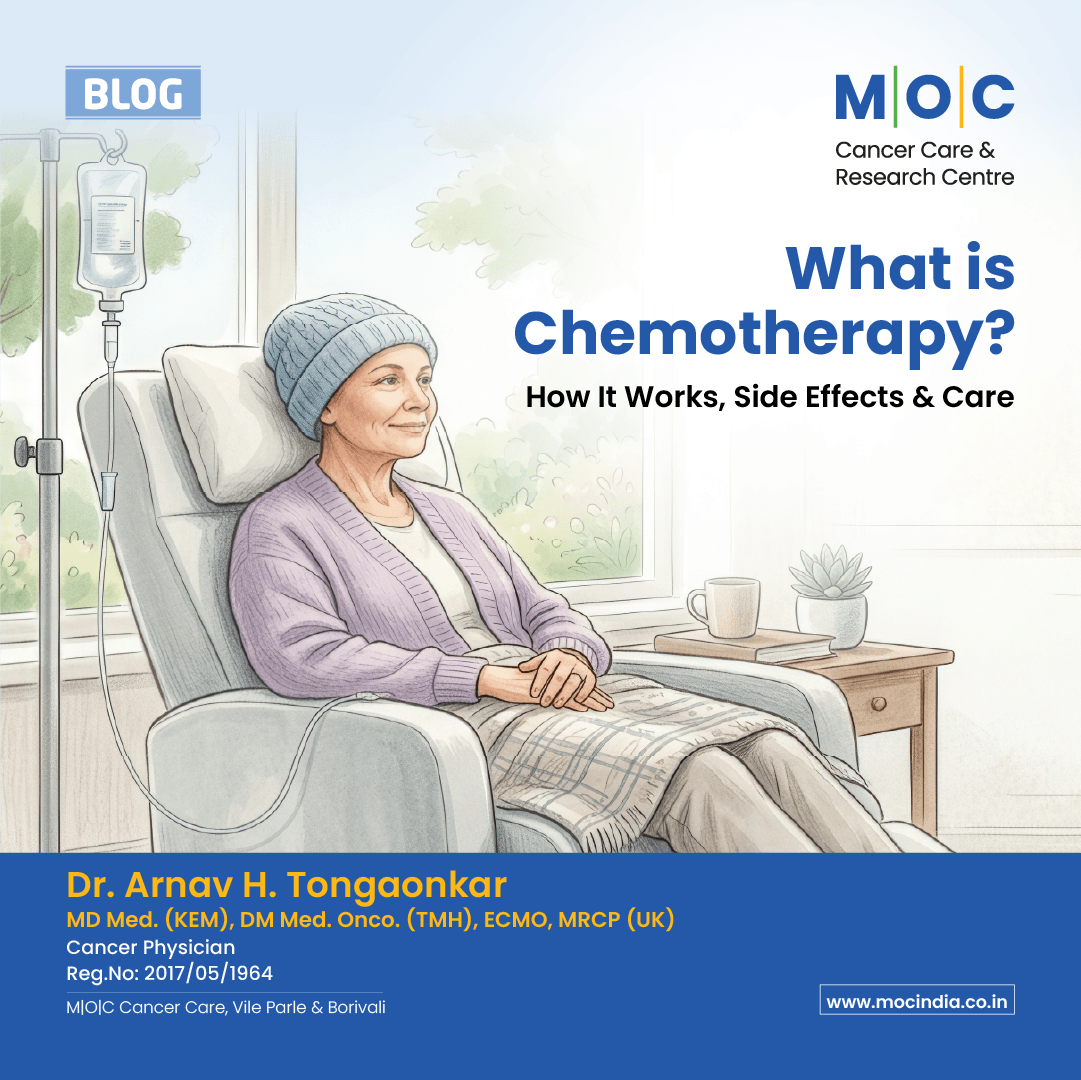
What Is Chemotherapy? How It Works, Its Side Effects, Benefits and What Patients Should Know
For many people, the word 'chemotherapy' immediately brings to mind hair loss, nausea, hospital visits and physical exhaustion. For patients diagnosed with cancer, it can be one of the most intimidating parts of the treatment journey. But how much of what we fear about chemotherapy reflects today's medical reality?
Chemotherapy has been a cornerstone of cancer treatment for decades. While it can cause side effects, significant advances in cancer medicines, treatment planning and supportive care have changed how patients experience it. Understanding what chemotherapy does, why it is recommended and how to prepare for it can help patients and families approach treatment with greater confidence.
What exactly is chemotherapy?
Chemotherapy, commonly called chemo, is a cancer treatment that uses medicines to destroy cancer cells or stop them from multiplying. Cancer cells grow and divide uncontrollably. Traditional chemotherapy drugs interfere with this process, targeting rapidly dividing cells.
Unlike surgery or radiation, which generally act on specific areas of the body, chemotherapy can travel through the bloodstream and reach cancer cells in different organs and tissues. This makes it useful for treating cancers that have spread or may have microscopic cancer cells beyond the primary tumour.
India's cancer burden makes access to effective treatment particularly important. The Indian Council of Medical Research's National Cancer Registry Programme estimated approximately 14.61 lakh new cancer cases in India in 2022. Breast, oral, cervical, lung, digestive system and other cancers contribute significantly to this burden. Chemotherapy has an important role in managing several of these cancers, although its use varies according to cancer type and stage.
A fascinating history: How did chemotherapy begin?
Interestingly, chemotherapy's origins are linked to observations made during wartime. During World War II, researchers studying the effects of mustard gas noticed that exposure could severely reduce blood cells and damage lymphatic tissue. This led scientists to investigate whether related chemicals could be used against cancers affecting these systems.
In 1942, doctors at Yale administered nitrogen mustard intravenously to a patient with advanced lymphoma, demonstrating that cancer could respond to drug treatment. A few years later, in 1947, physician Sidney Farber demonstrated that aminopterin, a drug related to folic acid, could induce remission in children with acute leukaemia. These discoveries opened the door to modern cancer chemotherapy. What began with a limited number of drugs has evolved into a sophisticated field involving multiple drug combinations, carefully calculated doses, molecular testing and personalised treatment strategies.
Why is chemotherapy recommended? Does everyone with cancer need it?
No. Chemotherapy is not necessary for every cancer patient. The decision depends on the cancer's type, stage, biological characteristics, whether it has spread and the patient's overall health.
Depending on the treatment objective, chemotherapy may be recommended:
- Before surgery (neoadjuvant): To shrink a tumour and make surgery easier or more effective.
- After surgery (adjuvant): To destroy any microscopic cancer cells that may remain and reduce the risk of recurrence.
- Alongside radiation: To improve the effectiveness of radiation in selected cancers.
- As the primary treatment: In certain blood cancers and other cancers that respond particularly well to medicines.
- For disease control: To slow cancer growth, reduce tumour burden and relieve symptoms when a cure is not possible.
The goal of treatment should always be explained clearly to the patient.
How is chemotherapy administered?
Chemotherapy is not always given through a drip. Depending on the medicines prescribed, it may be administered intravenously, through injections or as oral tablets and capsules.
Treatment is commonly organised into cycles. A cycle includes a treatment period followed by a recovery interval, allowing healthy tissues and blood counts to recover before the next dose. The number of cycles and duration depend on the prescribed treatment protocol.
Before each cycle, doctors may recommend blood tests to assess blood counts, kidney and liver function. These help determine whether the next dose can be administered safely.
What are the common side effects? Is chemotherapy as difficult as people imagine?
Chemotherapy can affect healthy cells that also divide rapidly, such as those in hair follicles, the digestive tract and bone marrow. This explains some of its common side effects:
- Hair loss or thinning.
- Nausea, vomiting and changes in appetite.
- Fatigue and weakness.
- Mouth ulcers or altered taste.
- Reduced blood counts, increasing the risk of infections, anaemia or bleeding.
- Diarrhoea or constipation.
However, not every patient experiences all these side effects, and their severity varies considerably. Hair loss, for instance, depends on the medicines used; some regimens cause little or no hair loss.
Importantly, chemotherapy has evolved significantly. Modern drug combinations, improved anti-nausea medicines, growth factors that support blood cell recovery, better infection management and more precise dose adjustments have made treatment more manageable for many patients. Newer chemotherapy agents and formulations have also expanded treatment options.
This does not mean chemotherapy is free of toxicity. Rather, oncologists today have considerably better tools to anticipate, prevent and manage many treatment-related complications.
What precautions should patients and caregivers take during chemotherapy?
A few practical measures can make the treatment journey safer and more comfortable:
- Maintain hygiene: Wash hands regularly and avoid close contact with people who have infections, particularly when blood counts are low.
- Eat adequately: Prioritise freshly prepared, hygienic, protein-rich meals. Avoid unverified restrictive diets or fasting practices during treatment.
- Stay hydrated: Maintain adequate fluid intake unless your doctor has advised a restriction.
- Report side effects: Do not silently tolerate persistent vomiting, diarrhoea, mouth ulcers or severe weakness. Many symptoms can be managed with timely medical support.
- Monitor fever: A temperature of 38°C or higher during chemotherapy requires immediate contact with the treating team. Do not wait for the fever to settle on its own.
- Avoid self-medication: Inform your oncologist about all medicines, herbal preparations, supplements and alternative remedies before taking them.
- Keep appointments: Do not postpone or discontinue treatment without discussing it with your oncologist.
Caregivers also play an important role in helping patients maintain nutrition, attend appointments, monitor symptoms and receive emotional support.
What comes after chemotherapy? Understanding newer cancer medicines
Cancer treatment is no longer limited to chemotherapy. Advances in molecular biology and immunology have introduced targeted therapy and immunotherapy, expanding the options available to patients.
Targeted therapy uses medicines designed to act on specific proteins or molecular changes that help cancer cells grow. These treatments are generally prescribed after identifying suitable targets through biomarker or molecular testing.
Immunotherapy works differently. It helps the body's immune system recognise and attack cancer cells. Certain immunotherapies have transformed treatment outcomes in selected cancers, including some lung cancers, melanomas and other malignancies.
These treatments are not universally suitable or necessarily replacements for chemotherapy. Depending on the cancer, they may be used independently or in combination with chemotherapy, surgery or radiation.
The way forward: Informed treatment, not fear
A cancer diagnosis can change a person's life, but understanding the available treatment options can make the journey less overwhelming. Chemotherapy remains an important and often life-saving component of modern oncology. Its role, however, must be determined by the cancer's biology, the patient's condition and the intended treatment outcome.
Patients should feel comfortable asking their oncologist about the purpose of chemotherapy, expected benefits, possible side effects and available alternatives.
The objective is not merely to treat cancer, but to deliver effective treatment while preserving the patient's quality of life.
Dr. Arnav H. Tongaonkar
M.D D.M ECMO
Consultant Cancer Physician
MOC Cancer Care & Research Centre, Mahim & Vile Parle.
Latest Blogs
-
![What Is Chemotherapy? How It Works, Side Effects & Care]()
- 5th Nov, 2026
- What Is Chemotherapy? How It Works, Side Effects & Care
-
- 4th Nov, 2026
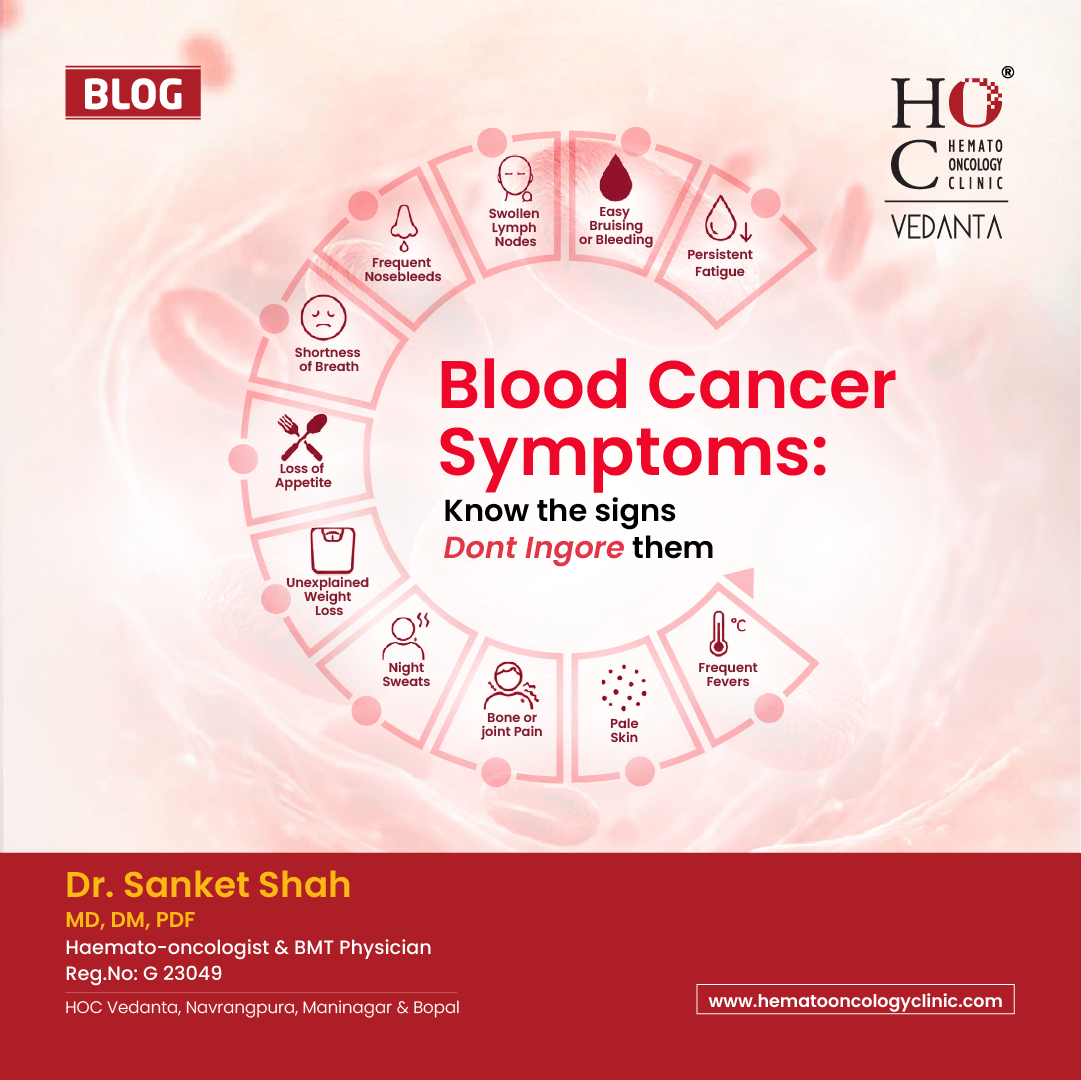
- Blood Cancer Symptoms: 10 Warning Signs You Should Never Ignore
-
![CAR T-Cell Therapy for Blood Cancer | Dr Sanket Shah]()
- 30th Oct, 2026
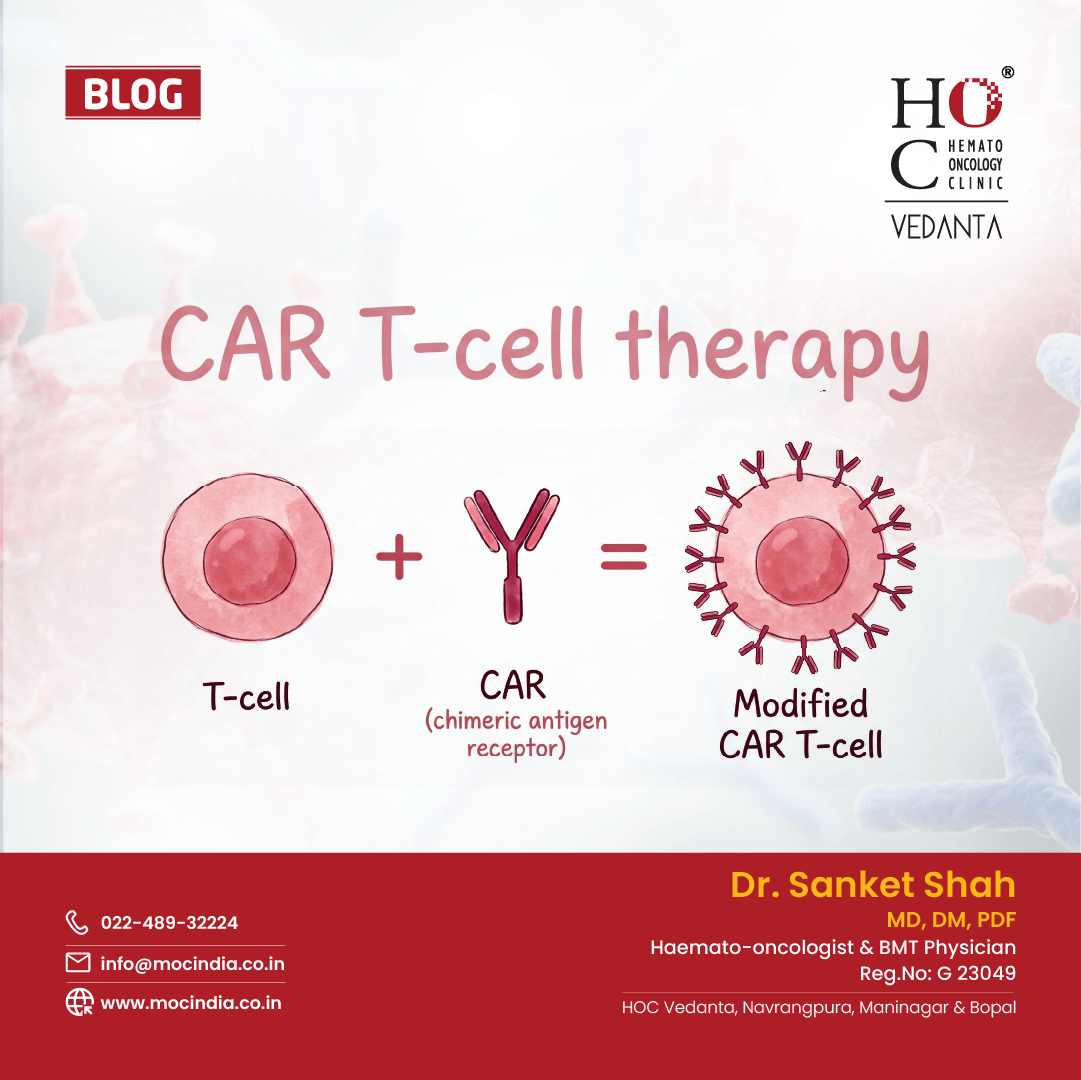
- CAR T-Cell Therapy for Blood Cancer | Dr Sanket Shah
-
- 27th Oct, 2026
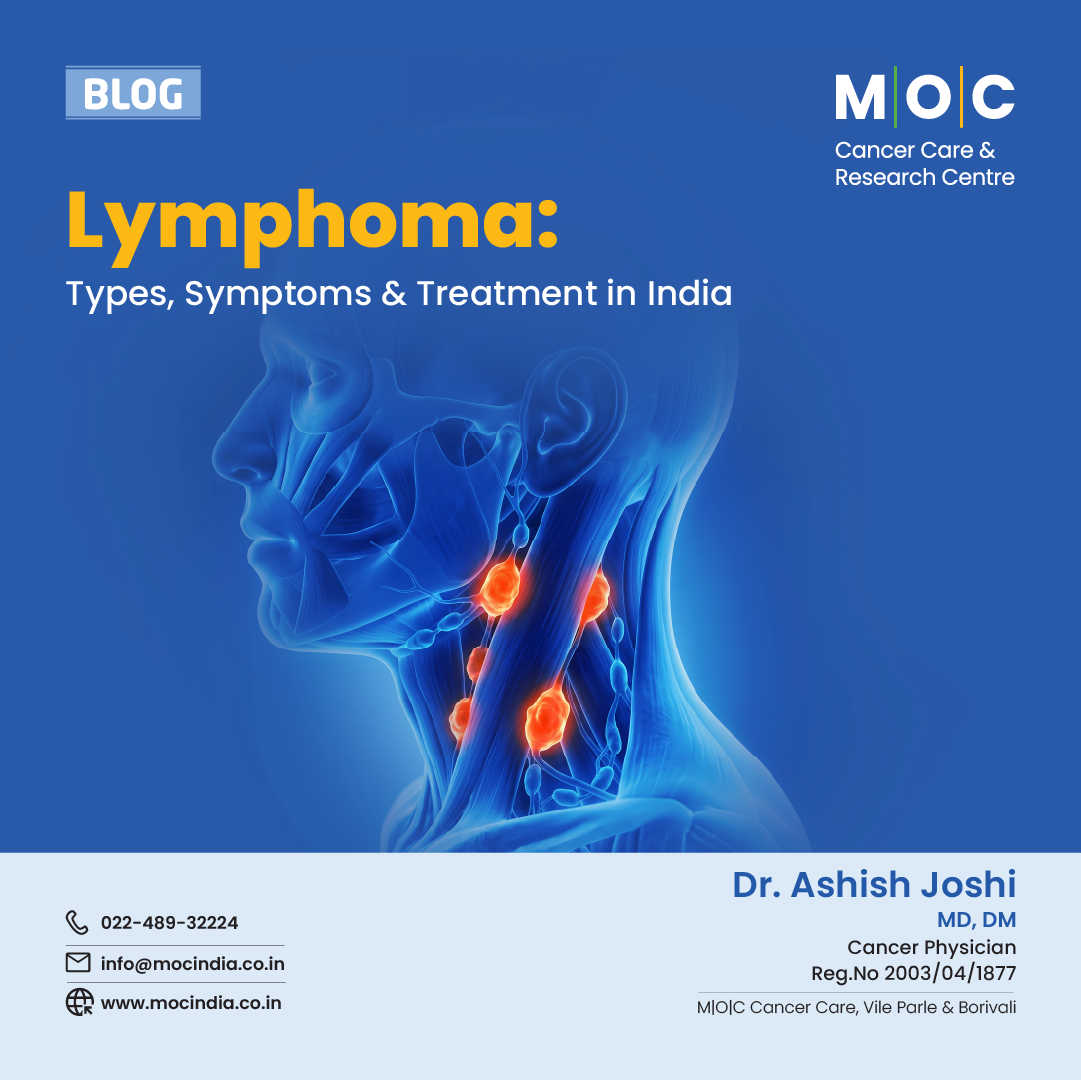
- Lymphoma: Types, Symptoms & Treatment in India
-
![Multiple Myeloma: When Routine Clinical Findings Point to a Plasma Cell Disorder]()
- 14th Oct, 2026
- Multiple Myeloma: When Routine Clinical Findings Point to a Plasma Cell Disorder
-
![5 Healthy Habits That Don't Prevent Liver Cancer]()
- 12th Oct, 2026
- 5 Healthy Habits That Don't Prevent Liver Cancer

Book Your Appointment