

Blood Cancer Symptoms: 10 Warning Signs You Should Never Ignore
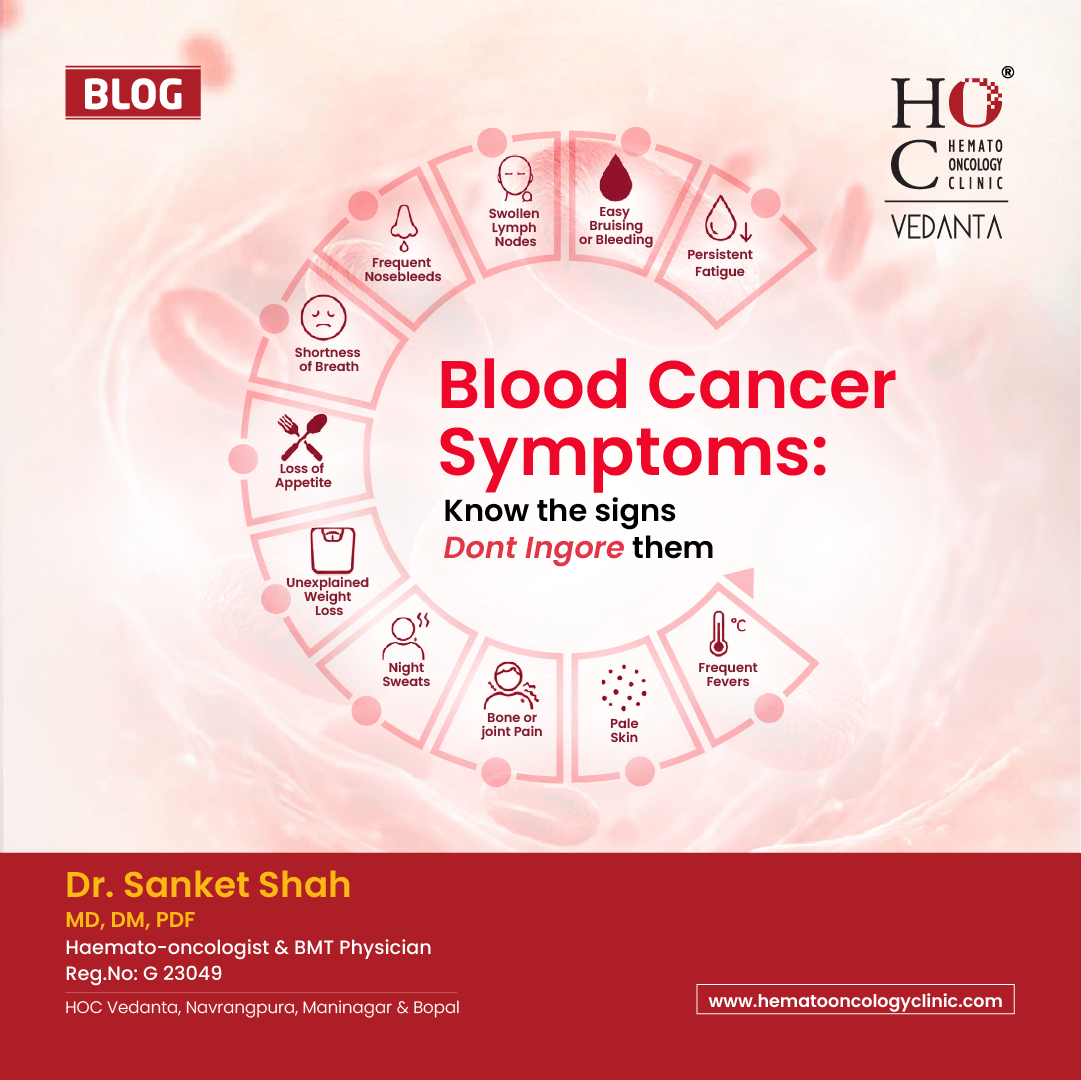
What if persistent fatigue is not just exhaustion? What if a fever that keeps returning, unexplained bruises or a painless lump in the neck is more than a routine health concern? While these symptoms are commonly associated with infections, nutritional deficiencies and other illnesses, they can sometimes be early warning signs of blood cancer.
Blood cancer is particularly challenging to recognise because its symptoms often resemble everyday health problems. Unlike cancers that typically develop as a visible lump in an organ, blood cancers affect the blood, bone marrow and lymphatic system. Understanding their warning signs can help people seek timely medical attention.
What is blood cancer and which types are common in India?
Blood cancer develops when abnormal blood cells multiply uncontrollably, interfering with the production and functioning of healthy blood cells.
The three major categories are:
- Leukaemia:Cancer that originates in blood-forming tissues, particularly the bone marrow, and affects the production of white blood cells.
- Lymphoma: Cancer of the lymphatic system, which is an important part of the body's immune defence. Hodgkin and non-Hodgkin lymphoma are its major categories.
- Multiple Myeloma: Cancer of plasma cells, a type of white blood cell responsible for producing antibodies.
According to estimates published by the Indian Council of Medical Research (ICMR) in the Indian Journal of Medical Research, India recorded an estimated 55,573 leukaemia cases, 55,349 lymphoma cases and 19,426 multiple myeloma cases in 2022.
Age also influences the pattern. Leukaemia, particularly lymphoid leukaemia, is the leading cancer among children aged 0–14 years in India. Certain leukaemias and lymphomas also affect younger adults, while the risk of several blood cancers increases with age.
10 blood cancer symptoms to watch out for
Blood cancer symptoms depend on the type of cancer and how it affects the body. Some of the common warning signs include:
- Persistent fatigue and weakness: When the bone marrow cannot produce enough healthy red blood cells, anaemia can develop. This may cause unusual tiredness, weakness, breathlessness and pale skin.
- Frequent or recurring infections: Abnormal white blood cells may not function effectively, reducing the body's ability to fight infections. Repeated infections or fevers that keep returning deserve medical attention.
- Unexplained fever and night sweats: Persistent fever without an obvious infection and excessive night sweats, particularly those that soak clothes or bedsheets, can be associated with lymphoma and leukaemia.
- Unexplained weight loss: Losing weight without changing eating habits or increasing physical activity can be a warning sign, particularly when accompanied by fatigue or fever.
- Swollen lymph nodes: A painless lump or swelling in the neck, armpits or groin may indicate enlarged lymph nodes. Persistent or progressively increasing swelling should be evaluated.
- Easy bruising and unusual bleeding: Low platelet counts can cause frequent bruising, bleeding gums, nosebleeds or tiny red-purple spots on the skin, known as petechiae.
- Bone and joint pain: Persistent pain, particularly in the back, ribs or bones, can occur in leukaemia and multiple myeloma.
- Abdominal discomfort or swelling: Enlargement of the spleen or liver can cause a feeling of fullness, abdominal swelling or discomfort, sometimes even after eating small quantities of food.
- Breathlessness and dizziness: Reduced red blood cell production can result in anaemia, leading to breathlessness, dizziness and a rapid heartbeat.
- Persistent itching: Unexplained itching, sometimes without visible skin rashes, can occur in certain lymphomas, including Hodgkin lymphoma.
What causes blood cancer? Who is at greater risk?
There is no single cause of blood cancer. It develops through genetic changes in blood-forming or immune cells. However, certain factors can increase susceptibility.
These include advancing age, a family history of particular blood cancers, inherited genetic conditions, previous chemotherapy or radiation exposure, and certain occupational exposures.
Exposure to benzene, a chemical found in some industrial solvents and petroleum-related environments, is associated with an increased risk of certain leukaemias. Some viral infections, including Epstein-Barr virus (EBV), are associated with particular lymphoma subtypes. People with weakened immune systems, including some transplant recipients and people living with HIV, may also have a higher risk of certain lymphomas.
Importantly, having a risk factor does not mean someone will necessarily develop blood cancer. Many patients have no identifiable risk factor.
Can diet and lifestyle increase blood cancer risk?
Can eating unhealthy food or leading a sedentary lifestyle cause blood cancer? The relationship is more complex than that.
Unlike certain solid-organ cancers, there is no established evidence that eating a particular food, consuming sugar or following a specific Indian dietary pattern directly causes most blood cancers
However, maintaining a healthy body weight, eating a balanced diet rich in vegetables, fruits, whole grains and adequate protein, and exercising regularly are important for overall cancer prevention and health. Obesity has also been associated with an increased risk of multiple myeloma and certain lymphoma subtypes.
Avoiding tobacco, limiting alcohol and minimising exposure to harmful workplace chemicals are sensible preventive measures. Occupational safety is particularly important for people working in industries involving benzene and other hazardous solvents.
When should you consult a doctor?
Not every episode of fever, fatigue, weight loss or swollen lymph nodes indicates blood cancer. These symptoms are frequently caused by infections, nutritional deficiencies and other treatable conditions.
However, symptoms that persist, recur or occur together should not be ignored. A doctor may recommend a complete blood count (CBC), peripheral blood smear and other investigations depending on the clinical findings. If required, bone marrow examination, lymph node biopsy, imaging and specialised molecular tests help establish the diagnosis.
The most important takeaway is this: do not wait for multiple symptoms to appear before seeking medical advice. Blood cancer can affect children, young adults and older people alike. Recognising persistent changes in the body and investigating them appropriately can make a meaningful difference to timely diagnosis and treatment.
Don't Ignore the Signs. Get Them Evaluated.
Persistent fatigue, unexplained fever, frequent infections or unusual bruising deserve attention. Consult a haematologist or haemato-oncologist to understand the cause and determine whether further investigation is needed.
Dr. Sanket Shah
M.D D.M
Consultant Cancer Physician
HOC Vedanta, Navrangpura , Maninagar, Bopal .
Latest Blogs
-
- 4th Nov, 2026
- Blood Cancer Symptoms: 10 Warning Signs You Should Never Ignore
-
![CAR T-Cell Therapy for Blood Cancer | Dr Sanket Shah]()
- 30th Oct, 2026
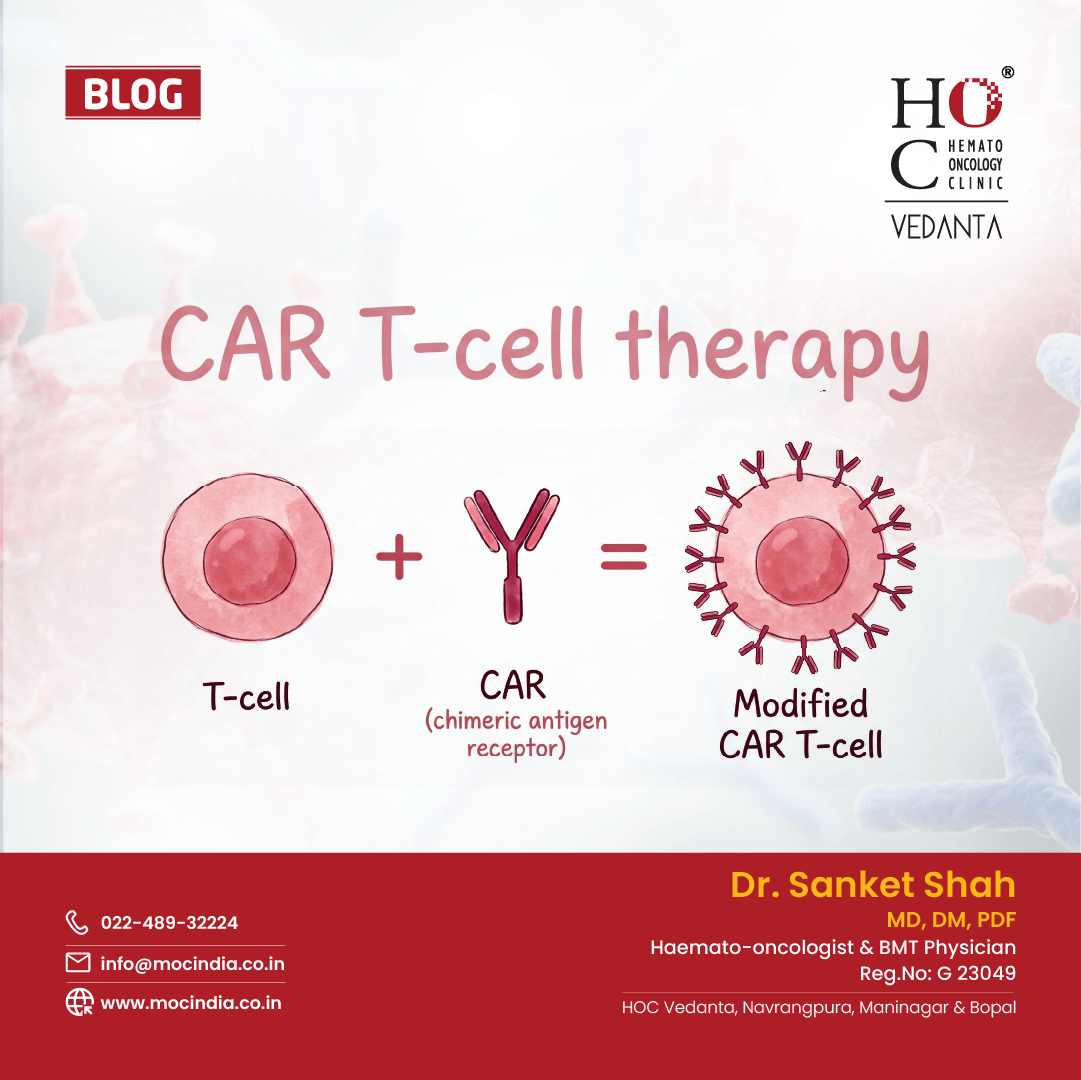
- CAR T-Cell Therapy for Blood Cancer | Dr Sanket Shah
-
- 27th Oct, 2026
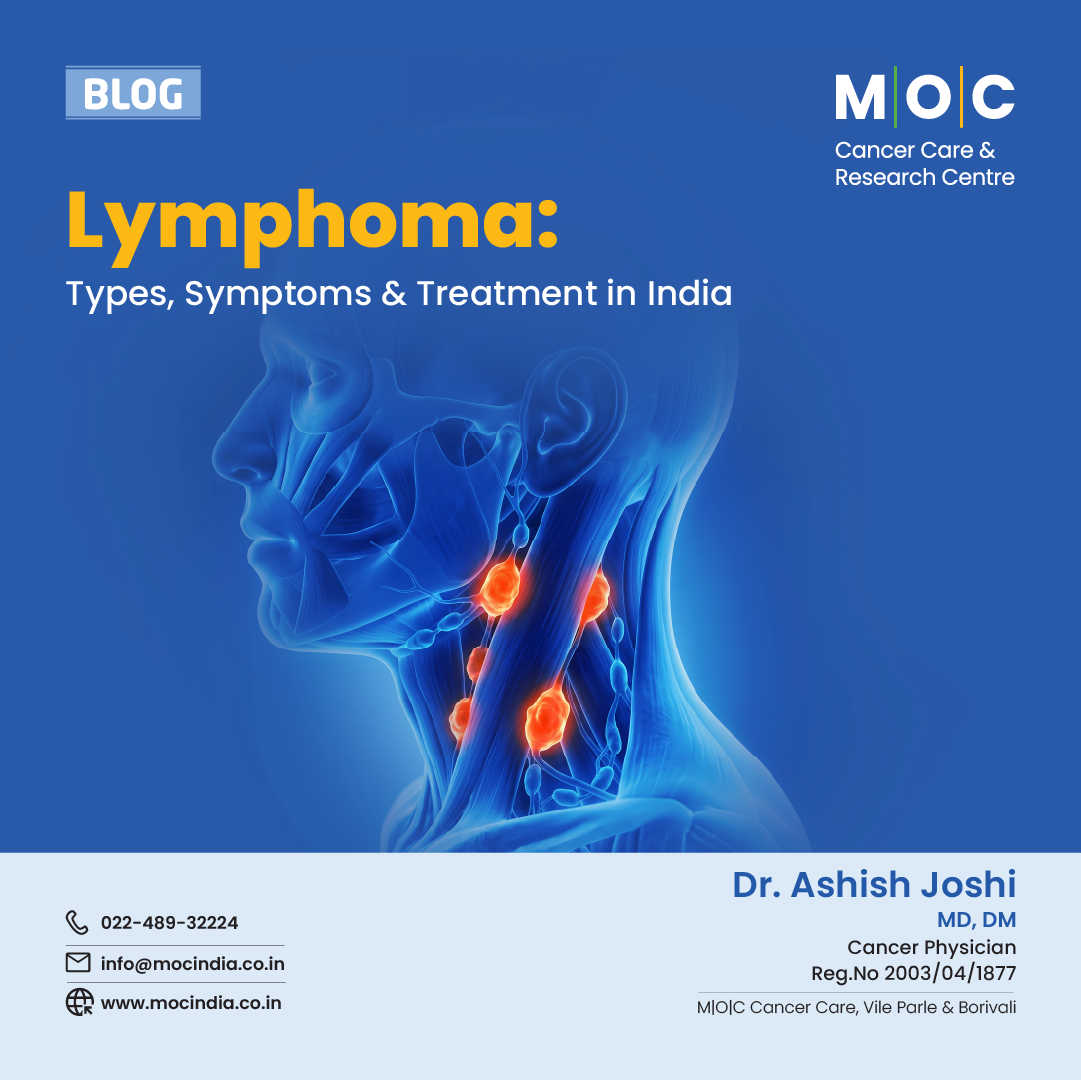
- Lymphoma: Types, Symptoms & Treatment in India
-
![Multiple Myeloma: When Routine Clinical Findings Point to a Plasma Cell Disorder]()
- 14th Oct, 2026
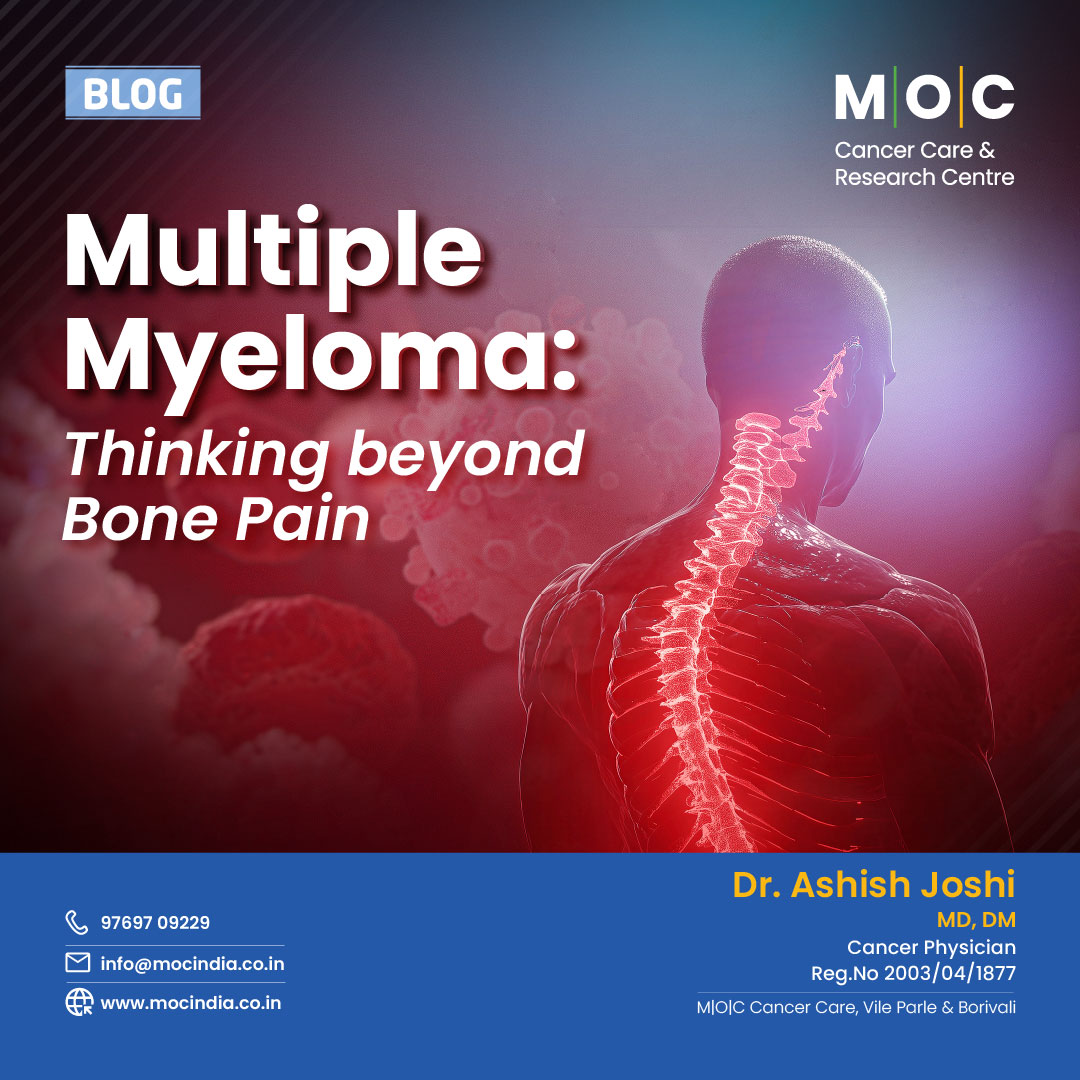
- Multiple Myeloma: When Routine Clinical Findings Point to a Plasma Cell Disorder
-
![5 Healthy Habits That Don't Prevent Liver Cancer]()
- 12th Oct, 2026
- 5 Healthy Habits That Don't Prevent Liver Cancer
-
![One Breast Bigger Than the Other: Normal or a Warning Sign?]()
- 8th Oct, 2026
- One Breast Bigger Than the Other: Normal or a Warning Sign?
.jpeg)
Book Your Appointment