


5 Healthy Habits That Don't Prevent Liver Cancer
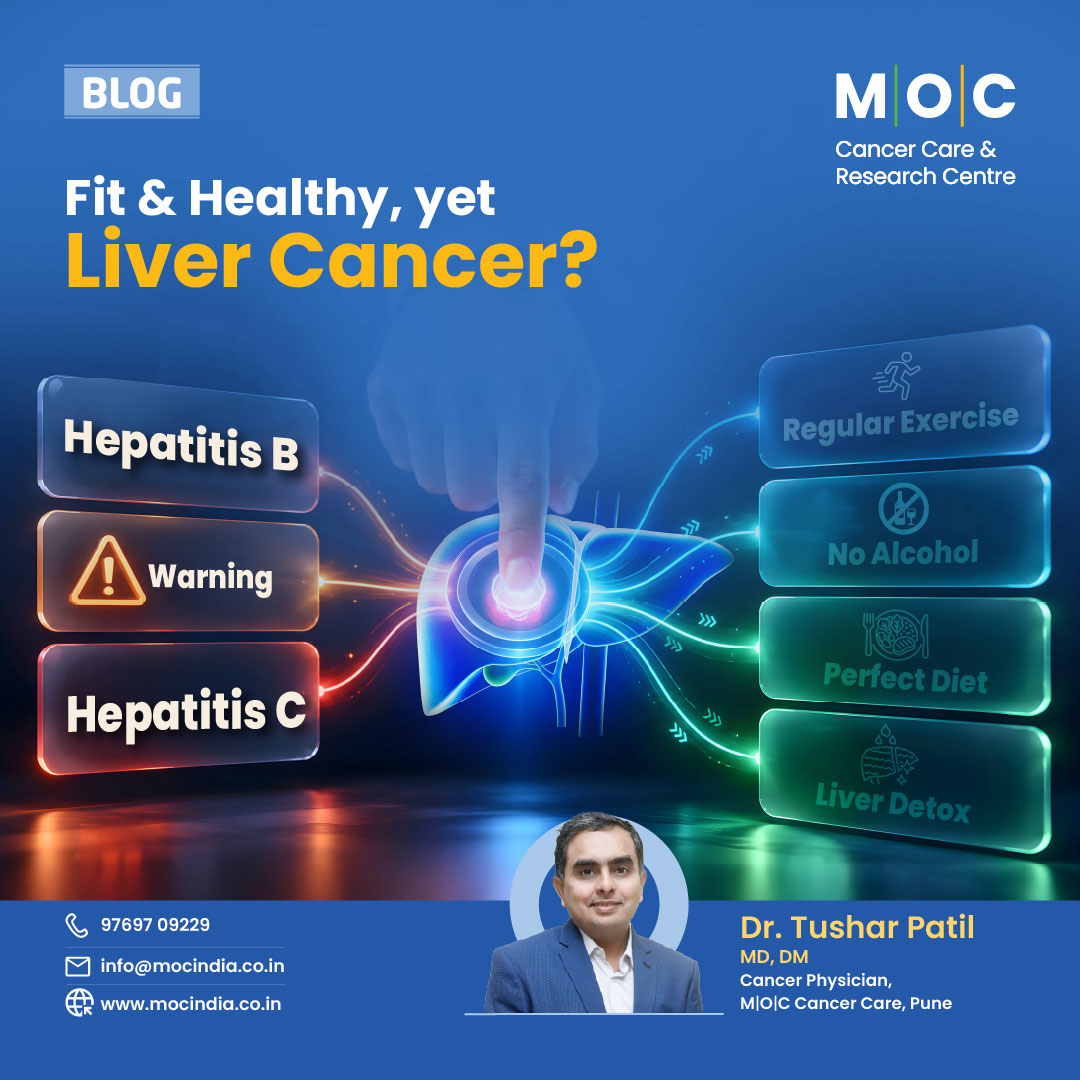
5 Healthy Habits That Don't Prevent Liver Cancer
You exercise, eat carefully, avoid junk food and even stay away from alcohol. So, are you protected from liver cancer? Not necessarily.
That may sound surprising, but liver cancer is more complicated than simply being a consequence of an unhealthy lifestyle. Healthy habits can certainly support liver health and reduce some risk factors, but they cannot guarantee protection against liver cancer.
People often assume that if they are physically active and eat a healthy diet, their liver cancer risk is negligible. That is not always true. Conditions such as chronic hepatitis B or C infection, cirrhosis and certain genetic or metabolic conditions can increase risk independently of how healthy a person feels.
Here are five habits that are good for you- but should not create a false sense of security.
- Exercising regularly
- Eating a “perfect” diet
- Avoiding alcohol
- Drinking detox juices or taking “liver cleanses”
- Getting an occasional liver function test
Walking, cycling, swimming or working out regularly can help control body weight, diabetes and fatty liver disease. These are important because metabolic health is closely linked with liver health.
But exercise does not eliminate the risk created by chronic hepatitis or established liver damage. Hepatocellular carcinoma (HCC), the most common type of primary liver cancer, can develop in people with significant underlying liver disease even when they maintain an otherwise active lifestyle.
The takeaway- Keep exercising- but don't consider fitness a cancer shield.
Reducing processed foods, maintaining a healthy weight and eating a balanced diet are all sensible choices. They can help reduce obesity and metabolic problems associated with fatty liver disease.
But there is no magical “liver-friendly” diet that can guarantee prevention of liver cancer.
A person can eat extremely carefully and still carry chronic hepatitis B or C, or have cirrhosis that places them at higher risk. Chronic hepatitis B is particularly important because it can increase liver cancer risk even without cirrhosis.
Avoiding or limiting alcohol is undoubtedly good for the liver. Heavy, long-term alcohol consumption can contribute to cirrhosis and increase the risk of HCC.,
But here's the catch: not drinking does not mean zero risk.
Viral hepatitis, fatty liver disease, cirrhosis and other causes of chronic liver injury can still contribute to liver cancer. In other words, abstinence removes one risk factor—it doesn't erase all the others.
This is where a healthy-sounding habit can become misleading.
There is no detox drink, herbal cleanse or juice that can “flush out” cancer-causing changes from the liver. The liver already performs the body's natural processing and detoxification functions.
More importantly, relying on a cleanse may create a dangerous sense of reassurance and delay proper evaluation of hepatitis, fatty liver disease or cirrhosis.
Your liver does not need a weekend detox. It needs you to identify and manage the actual causes of liver damage.
A normal liver function test may sound reassuring, but it does not automatically rule out liver cancer.
Early liver cancer may not cause obvious symptoms or dramatic abnormalities in routine blood tests. That is why people at high risk may need specific surveillance rather than simply an annual “liver test.” For people with cirrhosis, for example, guidelines recommend liver cancer surveillance, commonly with ultrasound with or without alpha-fetoprotein (AFP) at six-month intervals.
So, what actually matters?
The message is not to abandon healthy habits. Quite the opposite. Exercise, a balanced diet, healthy weight and avoiding excess alcohol remain important for overall liver health.
But prevention also means knowing your hidden risk factors.
Hepatitis B and C can remain silent for years. Chronic infection can progressively damage the liver and, in some people, lead to cirrhosis and liver cancer. Hepatitis B vaccination and appropriate testing and treatment of viral hepatitis are therefore important components of liver cancer prevention.
People with cirrhosis, chronic hepatitis B or other significant risk factors may also require regular medical surveillance.
The biggest misconception is thinking that feeling healthy means your liver is healthy. Healthy habits are powerful- but they are not a guarantee.
Know your risk. Test when appropriate. Treat liver disease early. And don't let a healthy lifestyle become a reason to ignore the risks you cannot see.
Healthy habits matter. Knowing your risk matters more. Take the next step towards understanding your liver health.
Dr. Tushar Patil
M.D D.M
Consultant Cancer Physician
MOC Cancer Care & Research Centre, Kalyani Nagar & Swargate.
Latest Blogs
-
![5 Healthy Habits That Don't Prevent Liver Cancer]()
- 12th Oct, 2026
- 5 Healthy Habits That Don't Prevent Liver Cancer
-
![One Breast Bigger Than the Other: Normal or a Warning Sign?]()
- 8th Oct, 2026
- One Breast Bigger Than the Other: Normal or a Warning Sign?
-
![Peau d’Orange: Orange-Peel Skin and Breast Cancer Signs]()
- 7th Oct, 2026
- Peau d’Orange: Orange-Peel Skin and Breast Cancer Signs
-
![Second-Hand Smoke: Can Your Neighbour’s Cigarette Harm You?]()
- 7th Oct, 2026
- Second-Hand Smoke: Can Your Neighbour’s Cigarette Harm You?
-
![1.9 Lakh Cancer Cases in India Linked to Infections: What to Know]()
- 6th Oct, 2026
- 1.9 Lakh Cancer Cases in India Linked to Infections: What to Know
-
![Breast Cancer Without a Lump: Symptoms & Warning Signs]()
- 3rd Oct, 2026
- Breast Cancer Without a Lump: Symptoms & Warning Signs
.jpeg)

.jpeg)
Book Your Appointment