


1.9 Lakh Cancer Cases in India Linked to Infections: What to Know
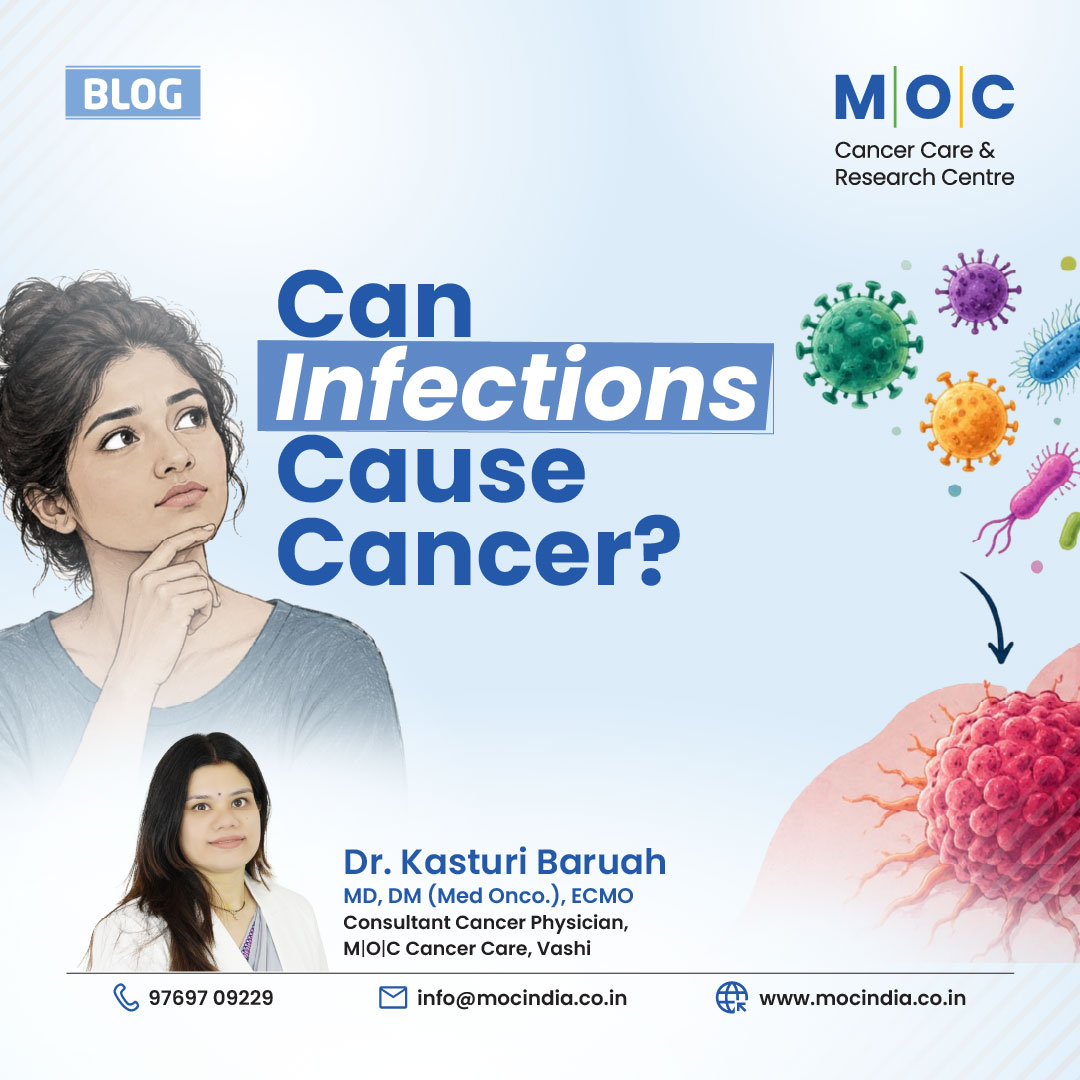
Beyond 1.9 Lakh Cancer Cases: Why Preventing Infections Could Help Reduce Cancer Risk
Cancer prevention is often discussed in terms of tobacco, alcohol, obesity and unhealthy diets. But there is another, less appreciated factor: certain infections can also contribute to cancer.
A recent analysis published in The Lancet Oncology estimates that around 1.9 lakh cancer cases in India were attributable to viral and bacterial infections. Globally, approximately 2.3 million cancer cases in 2024- around 12% of all new cases were linked to infections.
The important point is that this does not mean infections directly cause every cancer. Only specific infections have a well-established cancer connection, particularly when they persist for years.
One of the most important is human papillomavirus (HPV). Persistent infection with high-risk HPV types is responsible for virtually all cervical cancers and is also associated with some cancers of the anus, penis, vulva, vagina and throat. HPV vaccination and cervical screening can therefore play an important role in prevention.
In India, HPV is believed to account for a substantial proportion of infection-attributable cancers. Helicobacter pylori (H. pylori) is another important concern. This bacterium can cause chronic inflammation of the stomach and increases the risk of stomach cancer. The recent analysis attributed approximately 47,000 Indian cancer cases to H. pylori.
Hepatitis B and hepatitis C viruses provide another example. Chronic infection can damage the liver over many years and increase the risk of liver cancer. Hepatitis B is preventable through vaccination, while hepatitis B and C can be detected through blood tests and appropriately managed.
For Indian families, prevention therefore extends beyond lifestyle choices. Vaccination, safe injection and blood practices, appropriate sexual-health precautions, cervical screening and timely evaluation and treatment of relevant infections can all contribute to reducing future cancer risk.
The global perspective is equally important. The World Health Organization estimates that about 10% of cancers diagnosed globally in 2022 were attributable to carcinogenic infections, with the burden particularly significant in low- and middle-income countries.
However, infection prevention is one part of cancer prevention, not a replacement for other measures. Tobacco avoidance, limiting alcohol, maintaining a healthy weight, physical activity, a balanced diet and appropriate screening remain important.
The larger message is encouraging: some cancer risks begin with infections that are preventable, detectable or treatable. Preventing those infections today may mean preventing some cancers years later.
Don’t Ignore Preventable Risks. Know the Infections Linked to Cancer from M|O|C’s Cancer Expert
Dr. Kasturi Baruah
M.D D.M ECMO
Consultant Cancer Physician
MOC Cancer Care & Research Centre, Vashi & Panvel.
Latest Blogs
-
![1.9 Lakh Cancer Cases in India Linked to Infections: What to Know]()
- 6th Oct, 2026
- 1.9 Lakh Cancer Cases in India Linked to Infections: What to Know
-
![Breast Cancer Without a Lump: Symptoms & Warning Signs]()
- 3rd Oct, 2026
- Breast Cancer Without a Lump: Symptoms & Warning Signs
-
![Prostate Cancer: When the Best Medicine Is Time | MOC Cancer Care]()
- 30th Sep, 2026
- Prostate Cancer: When the Best Medicine Is Time | MOC Cancer Care
-
![Can Poor Oral Hygiene Affect Cancer Risk? | M|O|C Cancer Care]()
- 29th Sep, 2026
- Can Poor Oral Hygiene Affect Cancer Risk? | M|O|C Cancer Care
-
![Cancer Care in India: Balancing Innovation & Affordability]()
- 28th Sep, 2026
- Cancer Care in India: Balancing Innovation & Affordability
-
![Throat Cancer Symptoms: Early Signs & Warning Signs]()
- 24th Sep, 2026
- Throat Cancer Symptoms: Early Signs & Warning Signs
.jpg)
Book Your Appointment