


10 Facts about Human Papillomavirus Vaccine(HPV),You Should Know
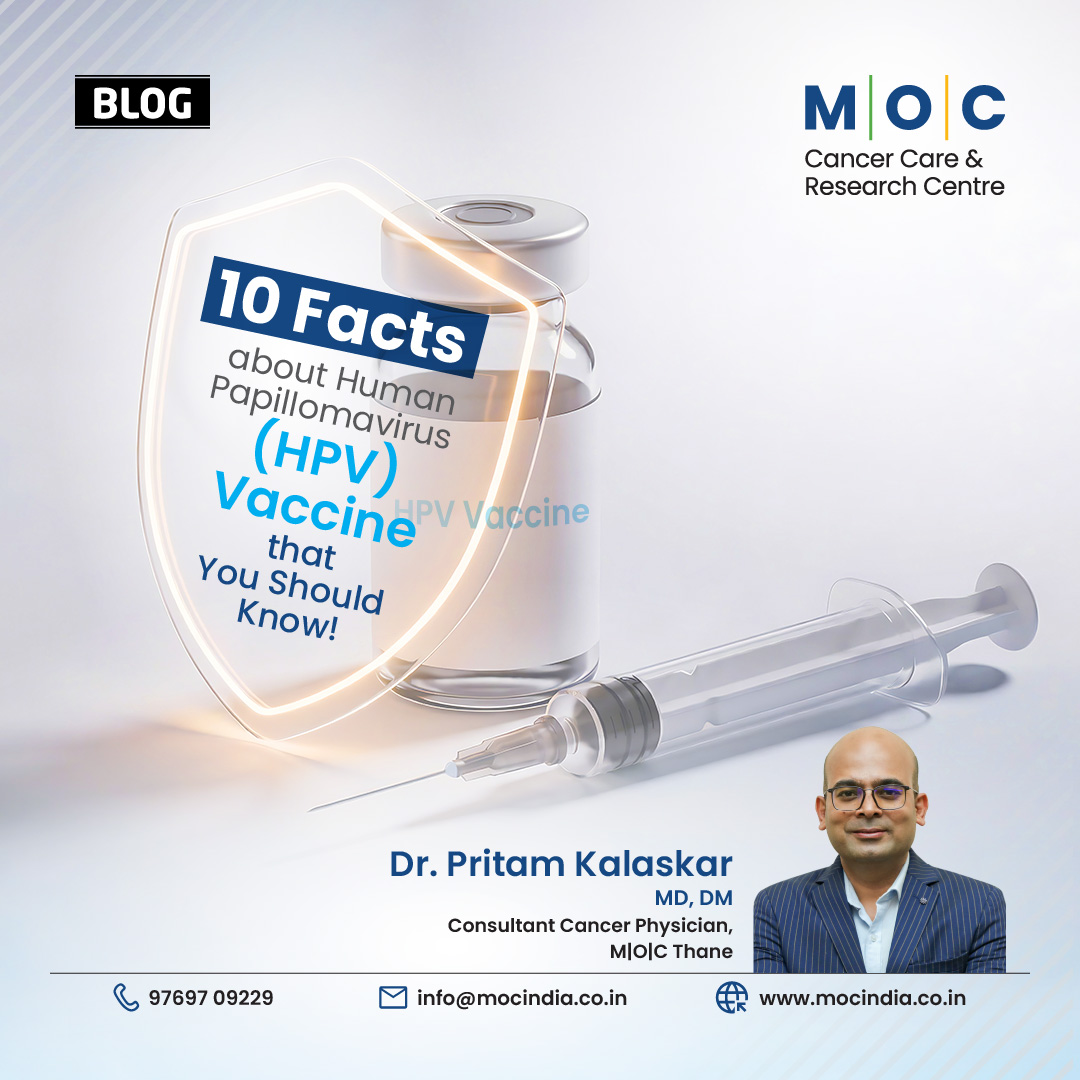
While the whole world is debating over HPV vaccination and in the view of recent vaccination program announced by Government of India, as a cancer physician- I am outlining important facts around HPV Vaccination and it’s role in prevention of Cervical Cancer in Women and other gender independent Cancers in general. I come across many parents, individuals enquiring about HPV Vaccines for their children and I can sense the confusion, fear and dilemmas in their minds. These facts may bring some clarity.
- The HPV vaccine is a series of injections that can protect from an HPV infection.
- The HPV vaccine safeguards against specific cancers linked to human papillomavirus (HPV), a widespread sexually transmitted infection responsible for cervical cancer as well as cancers in the vagina, vulva, penis, anus, and throat (oropharyngeal cancer). It also helps prevent genital warts, with recommendations for individuals aged 9 through 45.
- The HPV vaccine protects against 90% of HPV strains causing cervical, anal cancers and genital warts, and most mouth and throat cancer-causing HPV strains.
- HPV vaccines are one of the most effective vaccines available with studies proving about 99% effectiveness against an HPV infection in young women who have not been exposed to the virus.
- Everyone, irrespective of gender, should be vaccinated against HPV before they initiate sexual activity. Children from the age of 9, adults upto the age of 26 and some adults (upto the age of 45) who are at a higher risk of an HPV infection, like those living with human immunodeficiency virus (HIV).
- Certain populations should not be given the HPV vaccine, including pregnant women, people who have had a reaction to a previous dose, and people who are sick.
- HPV vaccination is effective when it is given at a young age. The World Health Organisation (WHO) recommends a 1- or 2-dose schedule of vaccines for girls and women aged 9-20 years, and a 2-dose schedule with a 6-month interval for women aged 21 years and older.
- Men and boys should also be vaccinated, although it is still optional. A vaccinated male can protect his sexual partners from getting infected with the HPV virus.
- Like all vaccines, the HPV vaccine also has minor side effects including soreness at the injection site, tiredness, headache, muscle or joint pain, dizziness, nausea, etc. There are no long-term side effects.
- Taking the HPV shots does not compensate for having a regular pap smear examination. Global guidelines recommend regular pap smear tests regardless of the vaccination status.
Dr. Pritam Kalaskar
M.D (Internal Medicine) D.M (Medical Oncology)
Consultant Cancer Physician
MOC Cancer Care & Research Centre, Thane
.
Latest Blogs
-
![Throat Cancer Symptoms: Early Signs & Warning Signs]()
- 24th Sep, 2026
- Throat Cancer Symptoms: Early Signs & Warning Signs
-
![Endometrial Cancer Staging: Stages 1 to 4 Explained]()
- 22nd Sep, 2026
- Endometrial Cancer Staging: Stages 1 to 4 Explained
-
![Colon Cancer vs Piles: How to Tell the Difference]()
- 21st Sep, 2026
- Colon Cancer vs Piles: How to Tell the Difference
-
![Tumor vs Cancer: What Is the Difference? | MOC Cancer Care]()
- 31st Aug, 2026
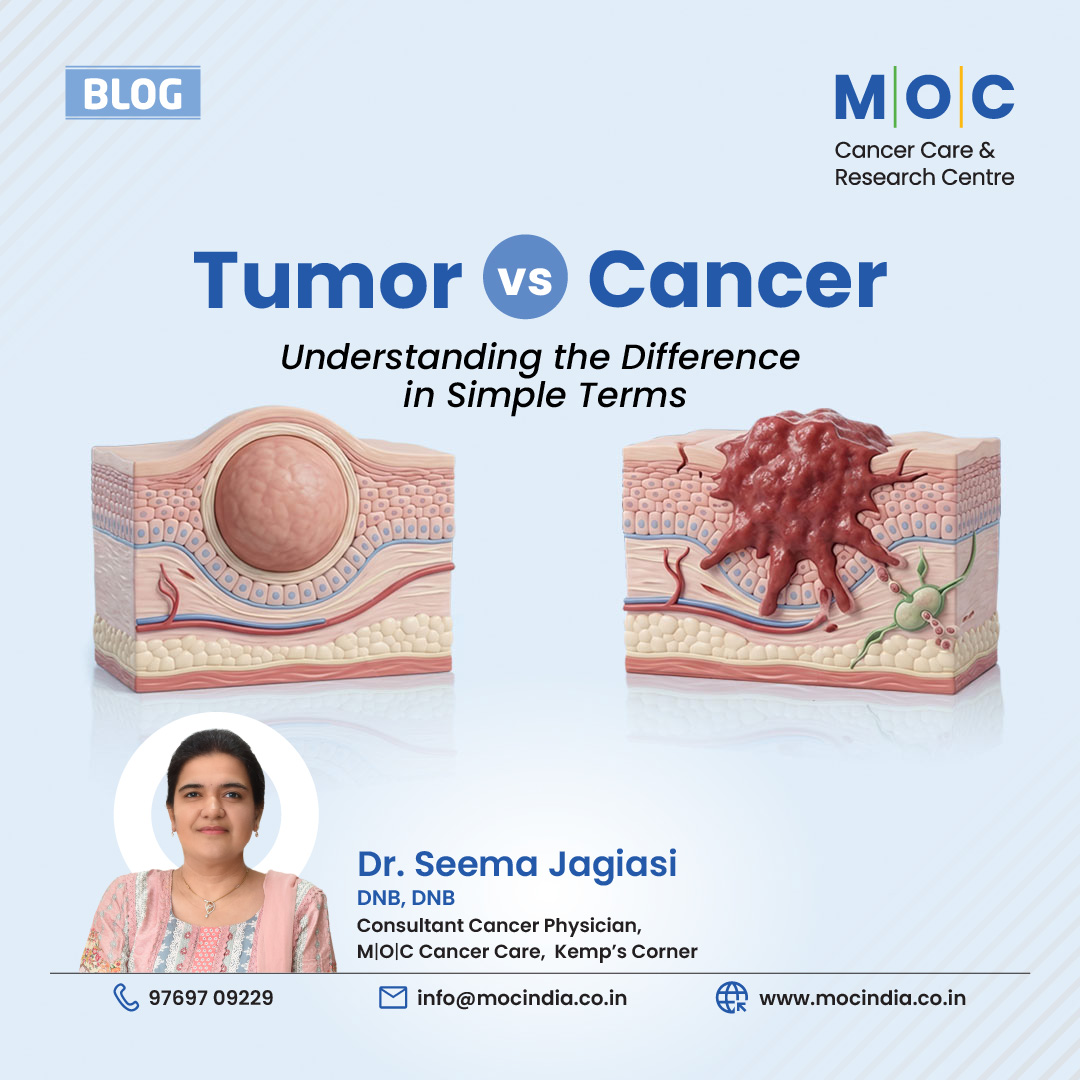
- Tumor vs Cancer: What Is the Difference? | MOC Cancer Care
-
![Head and Neck Cancer in India: A Preventable Crisis We Can No Longer Ignore]()
- 4th Aug, 2026
- Head and Neck Cancer in India: A Preventable Crisis We Can No Longer Ignore
-
![Throat Cancer Symptoms: Early Warning Signs You Should Never Ignore]()
- 24th Jun, 2026
- Throat Cancer Symptoms: Early Warning Signs You Should Never Ignore
.jpeg)
.jpeg)
Book Your Appointment

Condition Type
×