


Brain Cancers in India: Challenges & Progress- Dr. Ashwin Rajbhoj
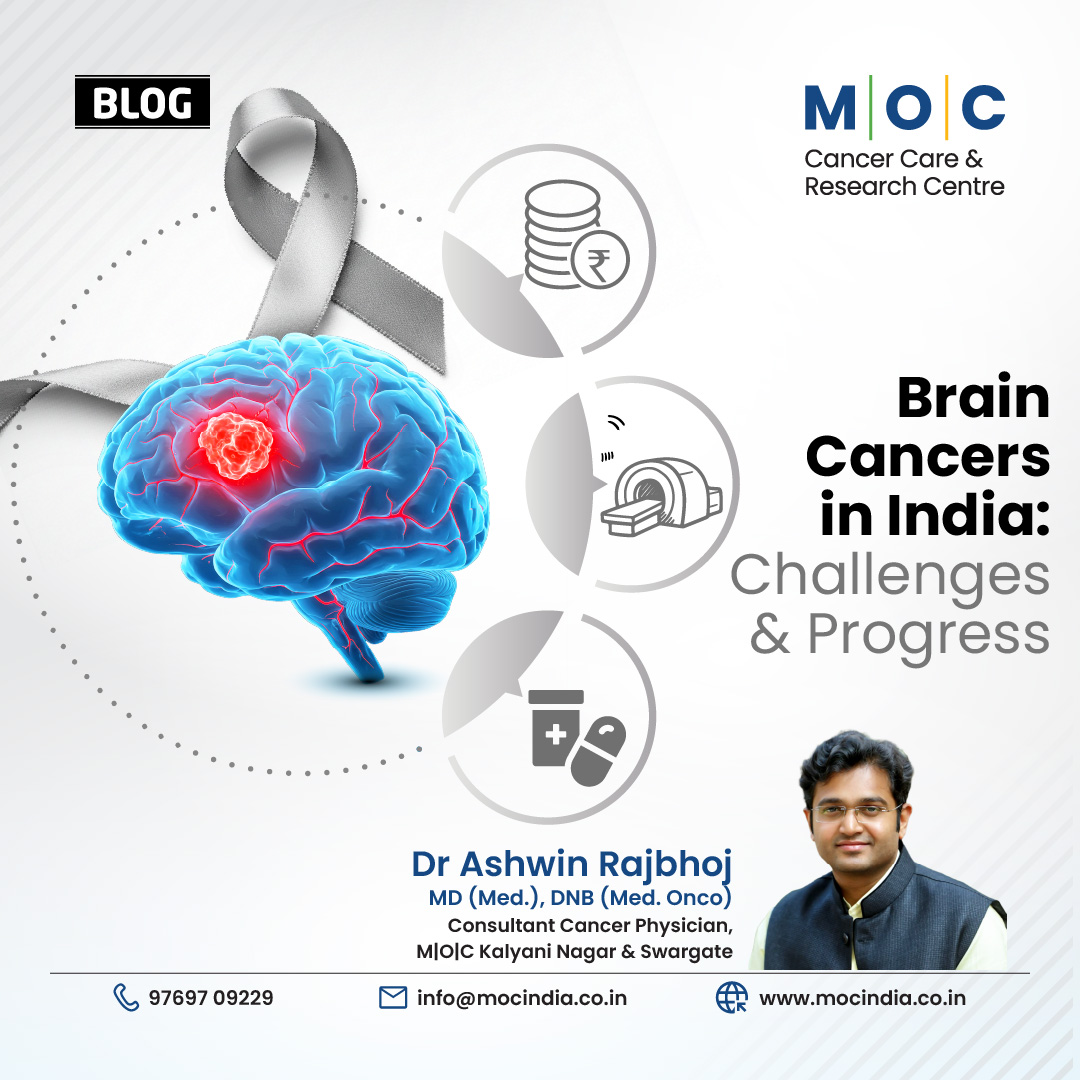
Brain cancers, though less common than many other malignancies, represent a significant public health challenge in India. Central nervous system (CNS) tumours- including brain cancers have an estimated incidence of 5-10 cases per 100,000 population and contribute to about 2% of all cancer diagnoses in the country. Reporting suggests that India sees around 28,000-40,000 new brain tumour cases every year, with approximately 20% of cases occurring in children.
Diagnosis: Early Barriers and Awareness
One of the biggest hurdles in brain cancer management in India is delayed diagnosis. Symptoms like persistent headaches, nausea, seizures, memory loss, or vision changes often go unrecognised or are attributed to less serious conditions. As a result, many patients present at advanced stages when prognosis is poorer. Limited public awareness and variations in access to advanced neuroimaging (like MRI scans) further compound the issue.
Expertise and Healthcare Infrastructure
India has a growing number of skilled neurosurgeons, neuro-oncologists and comprehensive cancer centres capable of diagnosing and managing complex brain cancers. However, specialised care clusters largely in metropolitan areas, creating disparities in access for patients from semi-urban and rural regions. Additionally, advanced technologies like Gamma Knife radiosurgery and emerging one-shot therapies like Boron Neutron Capture Therapy (BNCT) are being introduced in select centres to offer precision, non-invasive treatment options.
Treatment and Support
Treatment of malignant brain tumours generally involves a multimodal approach: surgery, followed by radiotherapy and chemotherapy. Surgical outcomes for benign tumours in India are generally favourable, while malignant cancers like glioblastoma continue to pose challenges due to aggressive biology and limited survival improvement. Post-treatment rehabilitation and long-term support, including neuro-rehabilitation, symptom management, and psychosocial care remain critical but under-developed areas.
Looking Ahead
While India faces clear challenges in early diagnosis and equitable care delivery, increasing awareness, investments in diagnostic technologies, and the expansion of specialised neuro-oncology services offer hope for improving outcomes for brain cancer patients nationwide.
Dr. Ashwin Rajbhoj
M.D (Internal Medicine) DNB (Medical Oncology)
Consultant Cancer Physician
MOC Cancer Care & Research Centre, Kalyani Nagar
& Swargate.
Latest Blogs
-
![Throat Cancer Symptoms: Early Signs & Warning Signs]()
- 24th Sep, 2026
- Throat Cancer Symptoms: Early Signs & Warning Signs
-
![Endometrial Cancer Staging: Stages 1 to 4 Explained]()
- 22nd Sep, 2026
- Endometrial Cancer Staging: Stages 1 to 4 Explained
-
![Colon Cancer vs Piles: How to Tell the Difference]()
- 21st Sep, 2026
- Colon Cancer vs Piles: How to Tell the Difference
-
![Tumor vs Cancer: What Is the Difference? | MOC Cancer Care]()
- 31st Aug, 2026
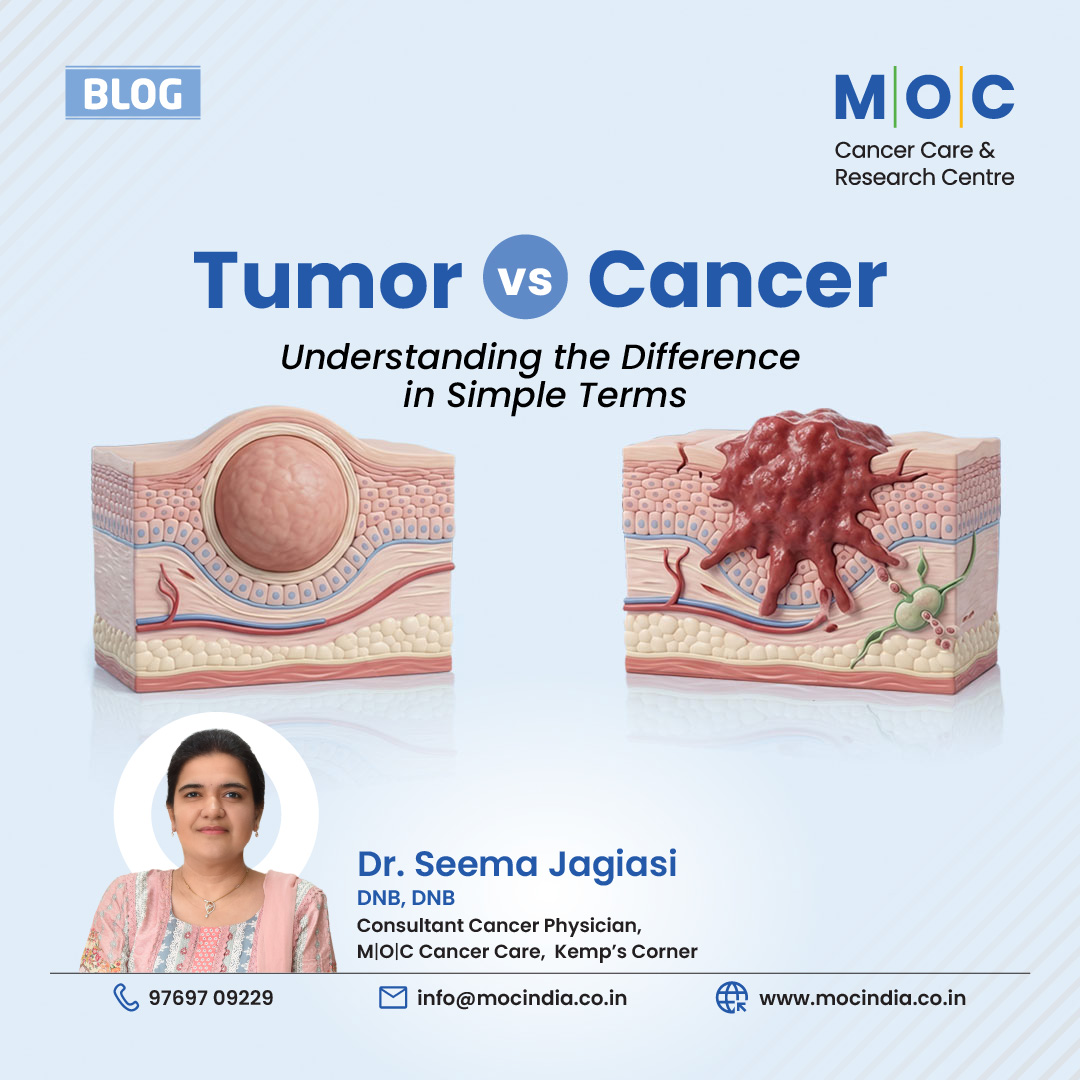
- Tumor vs Cancer: What Is the Difference? | MOC Cancer Care
-
![Head and Neck Cancer in India: A Preventable Crisis We Can No Longer Ignore]()
- 4th Aug, 2026
- Head and Neck Cancer in India: A Preventable Crisis We Can No Longer Ignore
-
![Throat Cancer Symptoms: Early Warning Signs You Should Never Ignore]()
- 24th Jun, 2026
- Throat Cancer Symptoms: Early Warning Signs You Should Never Ignore
.jpeg)
.jpeg)
Book Your Appointment