

Testicular Self-Check: Symptoms & Warning Signs Men Should Know
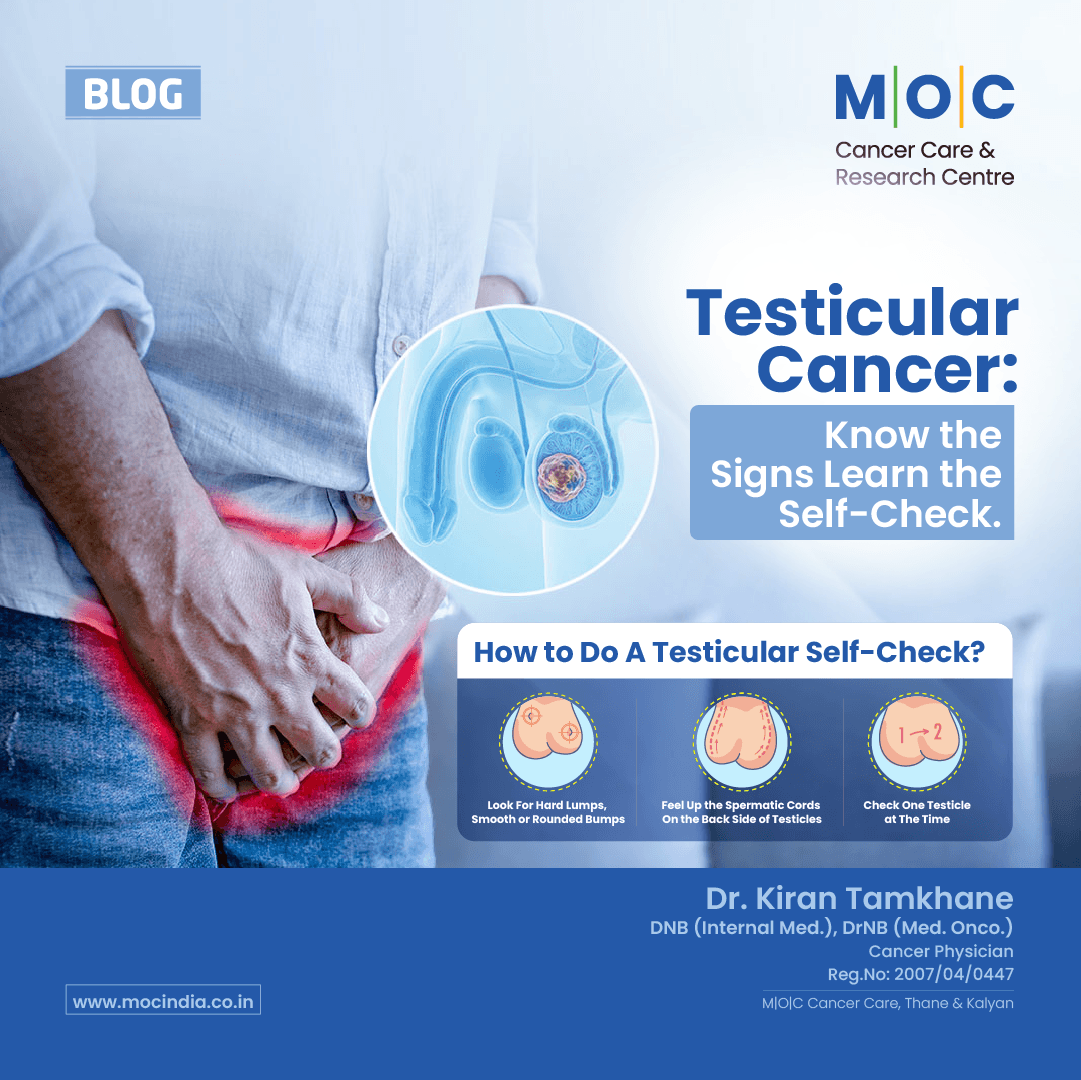
How Should Men Perform a Testicular Self-Check? Warning Signs They Should Never Ignore
Men often tend to ignore changes in their bodies, particularly when it comes to intimate health. A small swelling, a feeling of heaviness or an unusual lump in the testicles may be dismissed as temporary discomfort. However, recognising such changes early is important, as they could sometimes indicate testicular cancer.
Testicular cancer develops in the male reproductive glands (testes), which are responsible for producing sperm and testosterone. Although relatively uncommon compared with other cancers, it deserves attention, particularly among younger men. Globally, it is one of the most common cancers affecting men in the 15–35 age group. The encouraging aspect is that testicular cancer is highly treatable, particularly when diagnosed early.
How can men perform a self-check?
Being familiar with what is normal for your body is the first step towards identifying anything unusual. Men can follow a simple self-check routine, preferably during or immediately after a warm bath or shower, when the scrotal skin is relaxed.
Here is how to do it:
- Observe: Stand in front of a mirror and look for any visible swelling, enlargement or changes in the appearance of the scrotum.
- Examine each testicle: Gently hold one testicle between your thumb and fingers. Roll it softly to feel its entire surface. Repeat the process with the other testicle.
- Look for unusual changes: Check for any hard lump, swelling, change in size, shape, firmness or an unusual sensation of heaviness.
- Understand normal anatomy: It is perfectly normal for one testicle to be slightly larger or hang lower than the other. A soft, tube-like structure behind each testicle, called the epididymis, is also normal.
Being aware of these differences helps avoid unnecessary anxiety while making it easier to recognise new changes.
Warning signs men should not ignore
A painless lump or swelling in either testicle is one of the most important warning signs. Other symptoms include persistent pain or discomfort in the testicles or scrotum, a feeling of heaviness, sudden enlargement, or a dull ache in the lower abdomen or groin. In some cases, breast tenderness or enlargement may also occur.
Importantly, the absence of pain does not rule out cancer. Not every lump indicates malignancy, as infections and other non-cancerous conditions can cause similar symptoms. However, any new or persistent change should be evaluated by a doctor without delay. Sudden, severe testicular pain requires immediate medical attention.
Breaking the silence around men's health
In India, embarrassment, social stigma and reluctance to discuss reproductive health can prevent men from seeking timely medical advice. Self-awareness should be encouraged without creating fear. A self-check is not a substitute for medical screening or diagnosis, but it can help men recognise changes that need attention.
The message is simple: do not ignore what feels unusual, do not self-diagnose and do not delay a consultation. Paying attention to your body is not embarrassing; it is an important part of taking responsibility for your health.
Noticed an unusual lump, swelling or discomfort? Consult a doctor rather than ignoring the change.
Dr.Kiran Tamkhane
DNB DrNb
Consultant Cancer Physician
MOC Cancer Care & Research Centre, Thane & Kalyan.
Latest Blogs
-
![Prostate Cancer: PSA Test, Screening Age & Risk Factors]()
- 25th Nov, 2026
- Prostate Cancer: PSA Test, Screening Age & Risk Factors
-
![Testicular Self-Check: Symptoms & Warning Signs Men Should Know]()
- 25th Nov, 2026
- Testicular Self-Check: Symptoms & Warning Signs Men Should Know
-
![HPV Vaccine Before Marriage: Can It Prevent Cervical Cancer?]()
- 23rd Nov, 2026
- HPV Vaccine Before Marriage: Can It Prevent Cervical Cancer?
-
![Drinking Water Contamination and Gastric Cancer: Is There a Link?]()
- 23rd Nov, 2026
- Drinking Water Contamination and Gastric Cancer: Is There a Link?
-
- 20th Nov, 2026
- Frequent Urination in Men: Causes, Prostate Problems & Cancer
-
![Air Pollution and Lung Cancer: The Hidden Cost for Indian Families]()
- 18th Nov, 2026
- Air Pollution and Lung Cancer: The Hidden Cost for Indian Families



Book Your Appointment