

Testicular Cancer in Men: Risk Factors, Symptoms & Age
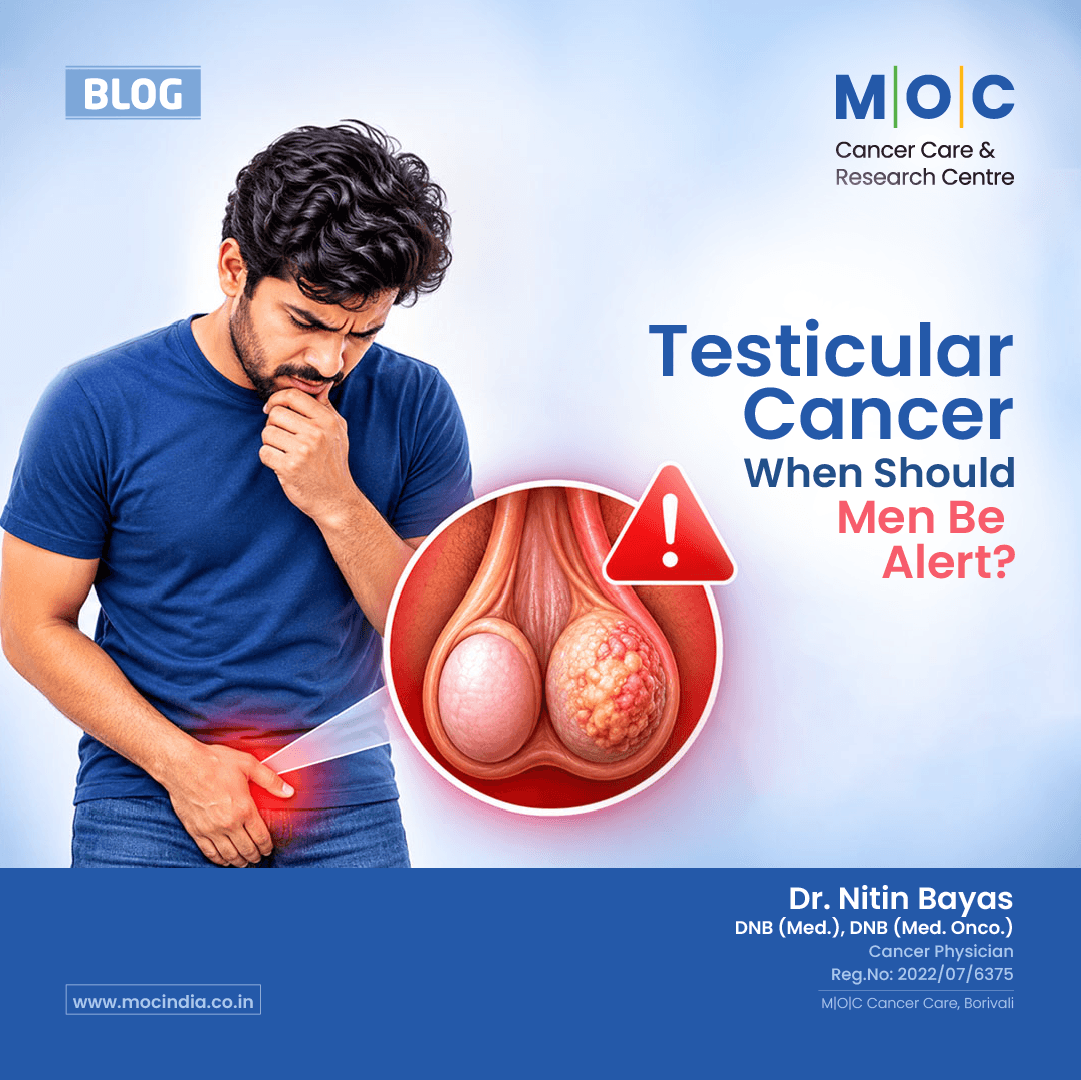
Testicular Cancer: Who Is Most at Risk and At What Age Should Men Be Alert?
Cancer is often associated with ageing, but testicular cancer challenges this perception. Unlike prostate or colorectal cancer, which are more commonly diagnosed in older adults, testicular cancer predominantly affects younger men. A persistent lump or swelling in the testicles should therefore never be dismissed simply because a man is in his twenties or thirties.
Testicular cancer develops in the testes, the male reproductive organs located inside the scrotum. They are responsible for producing sperm and testosterone. Although relatively uncommon in India, awareness is important because the disease can affect men during their most productive years, when career, relationships and family planning are often taking priority.
At what age is the risk highest?
Testicular cancer can occur at any age, including childhood and older adulthood. However, it is most frequently diagnosed among younger men, particularly those between 15 and 35 years. International cancer data indicate that the highest incidence is generally seen among men in their twenties and early thirties.
In India, testicular cancer is considerably less common than several other male cancers. An analysis of population-based cancer registry data for 2012–2017 estimated its age-standardised incidence at approximately 0.55 cases per 100,000 men. However, low incidence should not translate into low awareness, particularly among younger men.
Who is more vulnerable?,
Certain factors can increase a man's likelihood of developing testicular cancer:
- Undescended testicles: This is one of the most established risk factors. During normal development, the testicles move from the abdomen into the scrotum before birth. When one or both fail to descend, a condition called cryptorchidism, the risk of testicular cancer increases. Even if corrective surgery is performed during childhood, some increased risk may remain.
- Family history: Men whose father or brother has had testicular cancer have a higher risk. A brother with the disease is associated with a particularly significant increase in risk.
- Previous testicular cancer: Men who have been diagnosed with cancer in one testicle have a higher likelihood of developing cancer in the other testicle.
- Abnormal testicular development: Certain conditions affecting the development or functioning of the testicles, including Klinefelter syndrome, are associated with increased risk.
It is important to understand that having one or more risk factors does not mean a person will necessarily develop cancer. Equally, many men diagnosed with testicular cancer have no identifiable risk factors.
What warning signs should men watch for?
A painless lump or swelling in either testicle is among the most common warning signs. Other symptoms include a feeling of heaviness in the scrotum, a change in testicular size or firmness, persistent discomfort, or a dull ache in the lower abdomen or groin. Pain is not always present, so the absence of pain should not provide false reassurance.
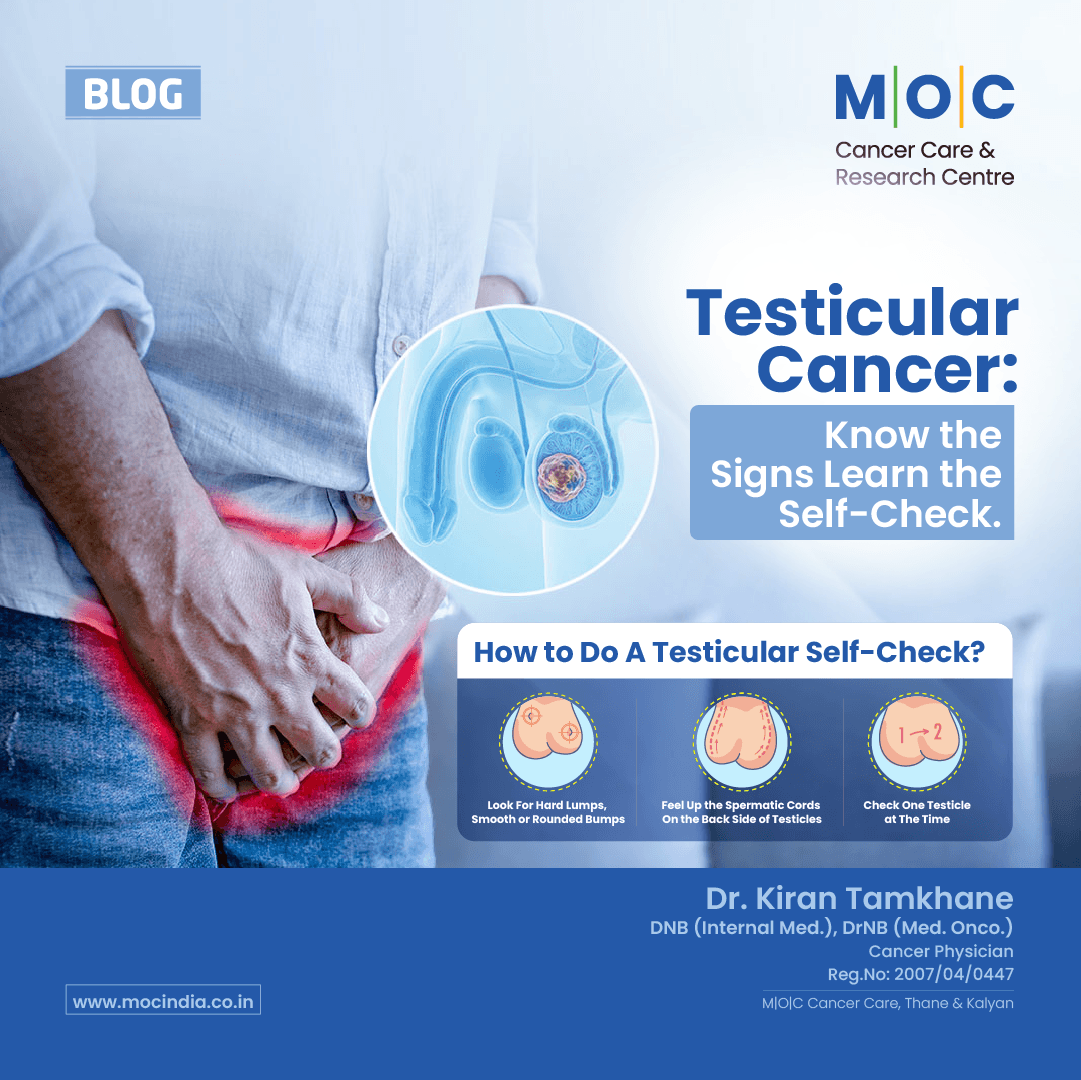
Men should become familiar with their normal anatomy and seek medical evaluation if they notice any new or persistent changes. A clinical examination and scrotal ultrasound can help investigate suspicious findings. Blood tests measuring tumour markers may also be advised.
Why early attention matters
In India, embarrassment and hesitation around discussing reproductive health can delay medical consultations. Younger men may also attribute symptoms to minor injuries or infections. However, timely evaluation is essential. Testicular cancer is among the more treatable cancers, with excellent outcomes in many cases, even when it has spread, although treatment depends on the stage and type.
The message is simple: testicular cancer is not restricted to older men. Knowing the risk factors, recognising unusual changes and seeking medical advice without hesitation can make a meaningful difference. Men's health deserves attention at every age.
In your twenties or thirties? Don't overlook your reproductive health. Know the warning signs of testicular cancer and seek medical advice if you notice unusual changes
Dr.Nitin Bayas
DNB DNB
Consultant Cancer Physician
MOC Cancer Care & Research Centre, Borivali.
Latest Blogs
-
![Testicular Cancer in Men: Risk Factors, Symptoms & Age]()
- 26th Nov, 2026
- Testicular Cancer in Men: Risk Factors, Symptoms & Age
-
![Prostate Cancer: PSA Test, Screening Age & Risk Factors]()
- 25th Nov, 2026
- Prostate Cancer: PSA Test, Screening Age & Risk Factors
-
![Testicular Self-Check: Symptoms & Warning Signs Men Should Know]()
- 25th Nov, 2026
- Testicular Self-Check: Symptoms & Warning Signs Men Should Know
-
![HPV Vaccine Before Marriage: Can It Prevent Cervical Cancer?]()
- 23rd Nov, 2026
- HPV Vaccine Before Marriage: Can It Prevent Cervical Cancer?
-
![Drinking Water Contamination and Gastric Cancer: Is There a Link?]()
- 23rd Nov, 2026
- Drinking Water Contamination and Gastric Cancer: Is There a Link?
-
- 20th Nov, 2026
- Frequent Urination in Men: Causes, Prostate Problems & Cancer



Book Your Appointment