


Are Pollution and Chemical Exposure Driving the Rise of Blood Cancer Cases in Children?
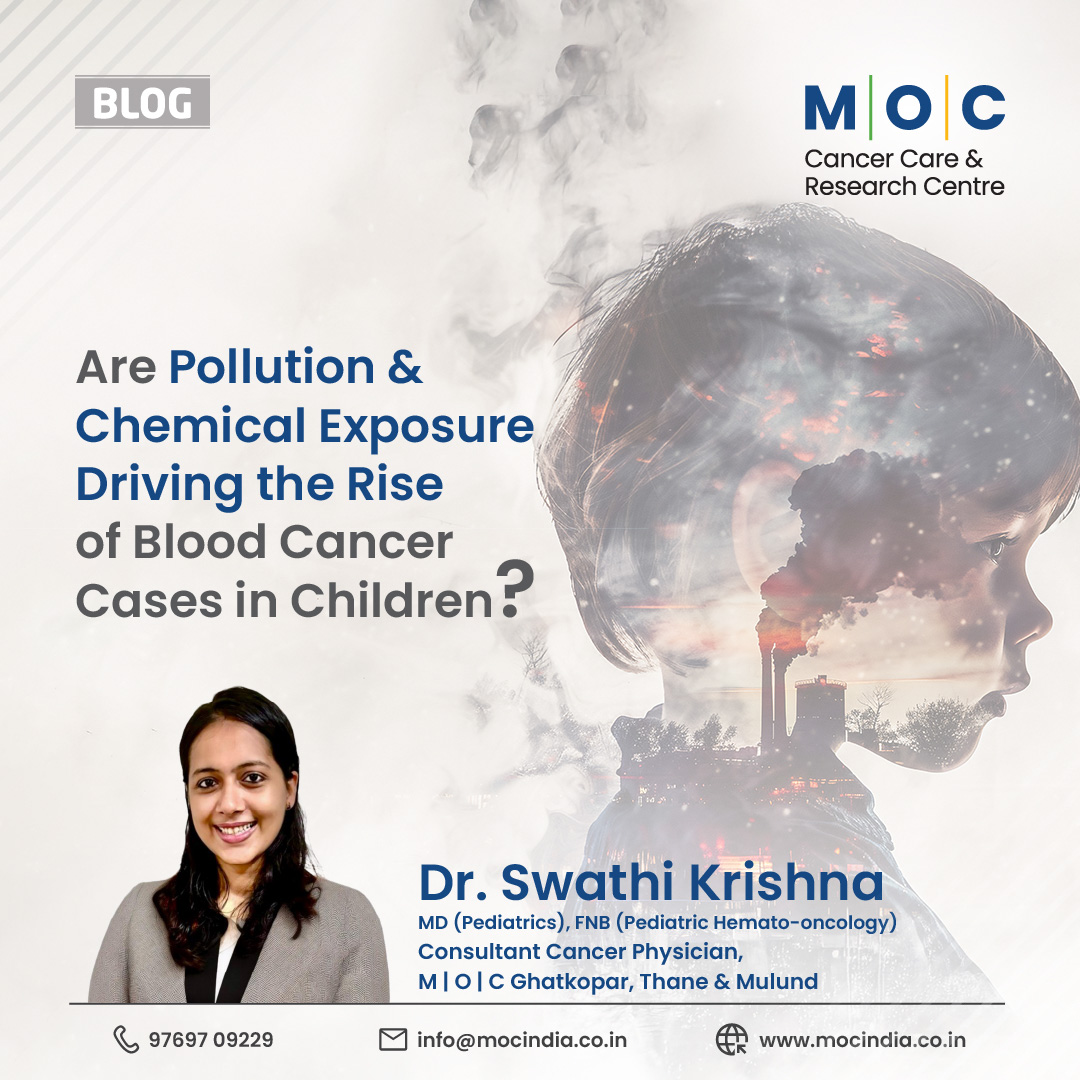
In recent years, oncologists and public health experts in India and globally have observed a concerning rise in childhood blood cancers, particularly leukemia. While childhood cancers are multifactorial in origin, growing evidence suggests that environmental pollution and chemical exposures may contribute to risk, especially in vulnerable populations.
Which Pollutants Are Linked to Childhood Blood Cancers?
Among environmental toxins, benzene is the most consistently implicated chemical. Found in vehicle exhaust, industrial emissions, and solvents, benzene is a known human carcinogen that damages bone marrow and DNA, increasing the risk of leukemia.
Other pollutants of concern include:
- Pesticides and herbicides, particularly with prenatal or early-life exposure
- Polycyclic aromatic hydrocarbons (PAHs) from traffic and combustion sources
- Heavy metals such as arsenic
- Persistent organic pollutants like PCBs
In India, rapid urbanization, industrial emissions, vehicular pollution, and widespread pesticide use contribute to cumulative toxic exposures, raising significant public health concerns for children.
Are Some Children More Vulnerable?
Childhood leukemia often begins with early genetic mutations affecting blood cell development. Some children have inherited genetic predispositions or chromosomal abnormalities. Emerging evidence suggests that environmental exposures during pregnancy and early childhood may interact with genetic susceptibility, increasing leukemia risk.
Children from socioeconomically disadvantaged backgrounds are often more exposed to pollution, unsafe water, and poor nutrition, further increasing vulnerability.
Early Warning Signs Parents Should Watch For
Early symptoms can mimic common childhood illnesses. Parents should seek medical evaluation for:
-Persistent fever, fatigue, or lethargy
-Pallor or easy tiredness
-Frequent bruising or bleeding
-Bone or joint pain, limping
-Unexplained weight loss or poor appetite
-Recurrent or persistent infections
-Early recognition enables timely diagnosis and treatment.
Can Reducing Exposure Lower Risk?
While not all childhood blood cancers are preventable, reducing environmental exposures can lower risk. Key preventive measures include:
-Limiting exposure to tobacco smoke and vehicular exhaust
-Reducing household and agricultural pesticide use
-Improving air quality through emission control and green spaces
-Ensuring safe drinking water free of heavy metals
Public health initiatives like India’s National Clean Air Program, along with stricter chemical regulation, community education, and environmental monitoring, are essential steps forward.
Conclusion
The rise in childhood blood cancers cannot be attributed to pollution alone; genetics and improved detection also play roles. However, scientific evidence supports a plausible link between pollutants such as benzene, pesticides, and air toxics and increased leukemia risk. Through cleaner environments, early symptom recognition, and strong public health policies, we can better protect children’s health and future.
Dr. Swathi Krishna
M.D (Pediatrics) FNB (Fellowship of National Board)
Consultant Cancer Physician
MOC Cancer Care & Research Centre, Ghatkopar, Thane
& Mulund.
Latest Blogs
-
![Ovarian Cancer Is No Longer Just an Older Woman’s Disease]()
- 2nd May, 2026
- Ovarian Cancer Is No Longer Just an Older Woman’s Disease
-
![Why Pap Smear Matters for Cervical Cancer | Dr Seema Jagiasi]()
- 10th Mar, 2026
- Why Pap Smear Matters for Cervical Cancer | Dr Seema Jagiasi
-
![10 Facts about Human Papillomavirus Vaccine(HPV),You Should Know]()
- 9th Mar, 2026
- 10 Facts about Human Papillomavirus Vaccine(HPV),You Should Know
-
![Brain Cancers in India: Challenges & Progress- Dr. Ashwin Rajbhoj]()
- 5th Mar, 2026
- Brain Cancers in India: Challenges & Progress- Dr. Ashwin Rajbhoj
-
![Leukemias in India- A Guide by Dr. Ashray Kole, Hemato-Oncologist & BMT Physician]()
- 23rd Feb, 2026
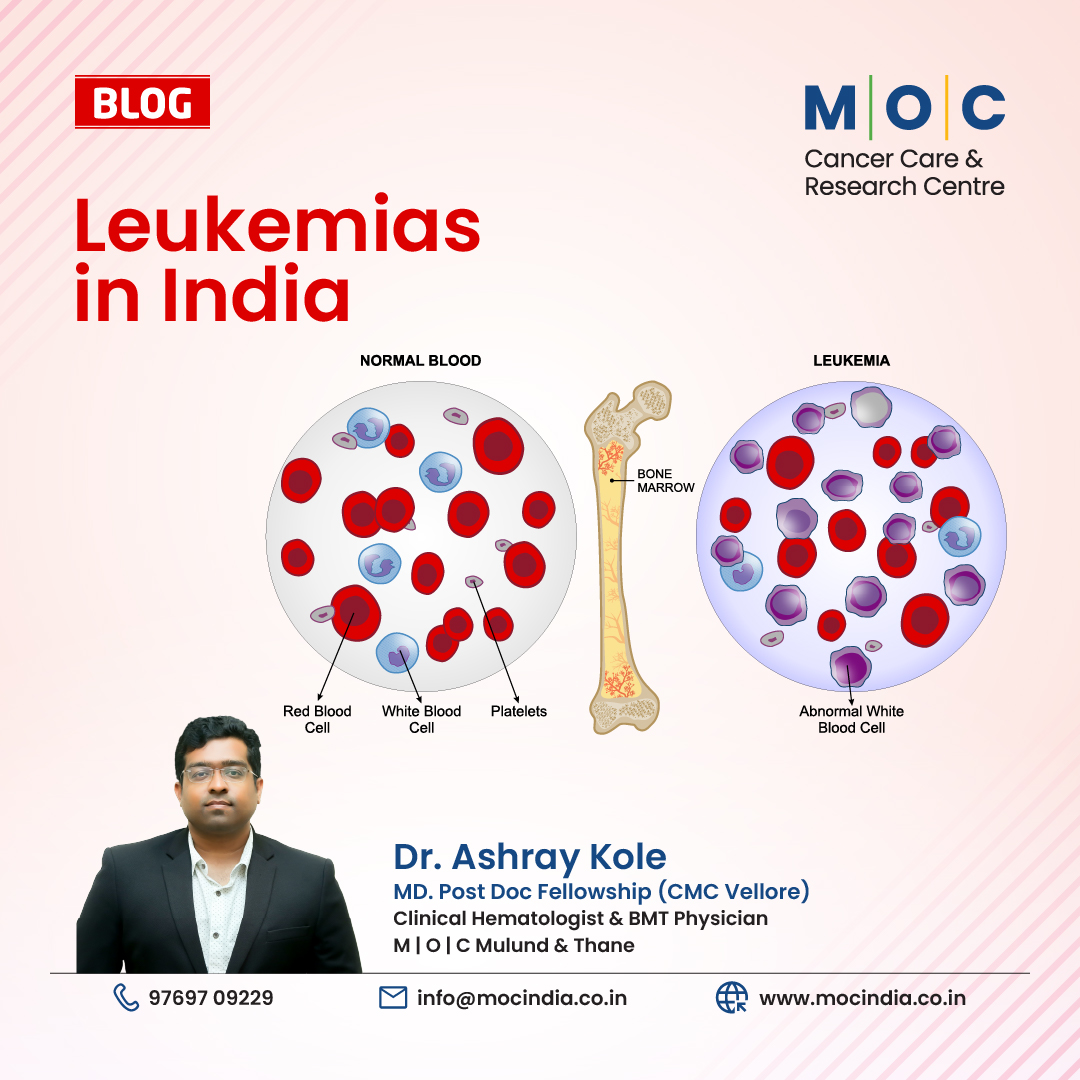
- Leukemias in India- A Guide by Dr. Ashray Kole, Hemato-Oncologist & BMT Physician
-
![Nidar Naari is a movement initiated by M|O|C Cancer Care & Research Centre]()
- 10th Feb, 2026
- Nidar Naari is a movement initiated by M|O|C Cancer Care & Research Centre

Book Your Appointment