


Microhabits for Well-Being During Cancer Treatment
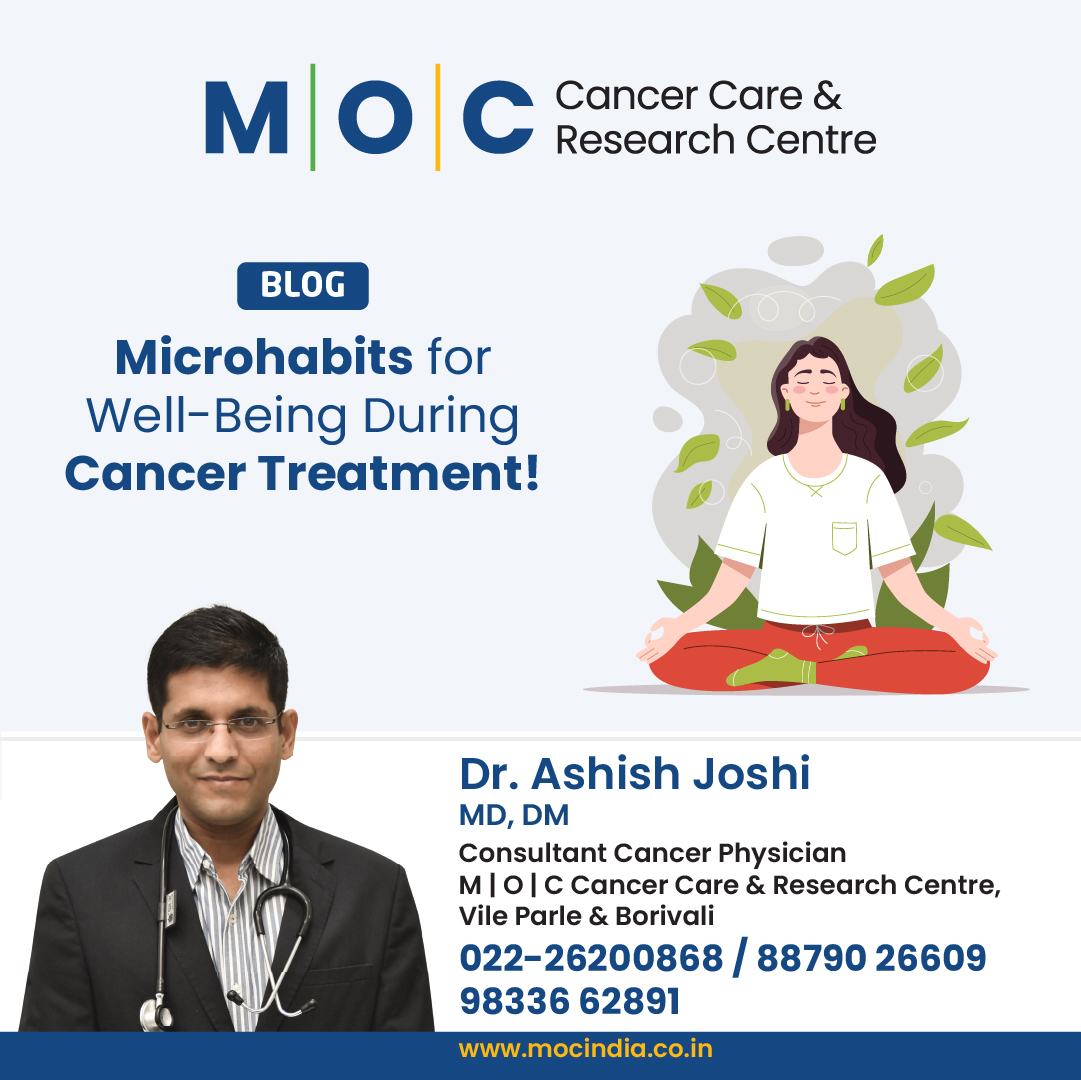
Developing microhabits to enhance overall well-being is a practical approach, especially for patients undergoing cancer treatment.
Microhabits are a newly evolving concepts and which consist of implementing small, manageable actions that can significantly contribute to your health without the use of too many resources and costs.
For people navigating cancer treatment, adopting microhabits becomes particularly relevant, offering a feasible way to maintain healthy practices.
Here are microhabits tailored for those undergoing cancer treatment :
- Take Short Breaks: Incorporate short breaks throughout the day to combat fatigue and conserve energy levels during cancer treatment.
- Nutrient-Rich Meals: Ensure each meal includes servings of fruits, vegetables, and good quality proteins to provide essential nourishment crucial for the demands of cancer treatment.
- Establish a Sleep Routine: Improve the quality of sleep by creating a routine that may include darkening your room, sipping chamomile tea, and avoiding screens before bedtime. A consistent sleep routine can significantly aid in coping with cancer treatment.
- Gentle Exercises: Engage in gentle exercises like stretching or walking. This microhabit not only boosts energy levels, but also elevates mood and assists in managing the side effects of cancer treatment.
Getting Started with Microhabits :
- Identify Desired Microhabits: Choose specific microhabits aligned with your well-being goals.
- Start Small: Begin with manageable actions to ensure success and build confidence.
- Create Reminders: Establish reminders to prompt the incorporation of microhabits into your daily routine.
- Consistency is Key: Be consistent in implementing microhabits to establish them as routine practices.
- Track Progress: Monitor your progress to stay motivated and adjust microhabits as needed.
- Celebrate Achievements: Acknowledge and celebrate the successful integration of microhabits into your life.
Adopting microhabits not only helps avoid frustration but also serves as a potent catalyst for more substantial changes. This approach becomes especially valuable when navigating the complex landscape of cancer treatment, offering a practical and sustainable way to enhance overall well-being.
Dr Ashish Joshi
MD DM
Consultant Cancer Physician
M | O | C Cancer Care & Research Centre, Vile Parle
& Borivali.
Latest Blogs
-
![Throat Cancer Symptoms: Early Signs & Warning Signs]()
- 24th Sep, 2026
- Throat Cancer Symptoms: Early Signs & Warning Signs
-
![Endometrial Cancer Staging: Stages 1 to 4 Explained]()
- 22nd Sep, 2026
- Endometrial Cancer Staging: Stages 1 to 4 Explained
-
![Colon Cancer vs Piles: How to Tell the Difference]()
- 21st Sep, 2026
- Colon Cancer vs Piles: How to Tell the Difference
-
![Tumor vs Cancer: What Is the Difference? | MOC Cancer Care]()
- 31st Aug, 2026
- Tumor vs Cancer: What Is the Difference? | MOC Cancer Care
-
![Head and Neck Cancer in India: A Preventable Crisis We Can No Longer Ignore]()
- 4th Aug, 2026
- Head and Neck Cancer in India: A Preventable Crisis We Can No Longer Ignore
-
![Throat Cancer Symptoms: Early Warning Signs You Should Never Ignore]()
- 24th Jun, 2026
- Throat Cancer Symptoms: Early Warning Signs You Should Never Ignore
.jpeg)
.jpeg)
Book Your Appointment