
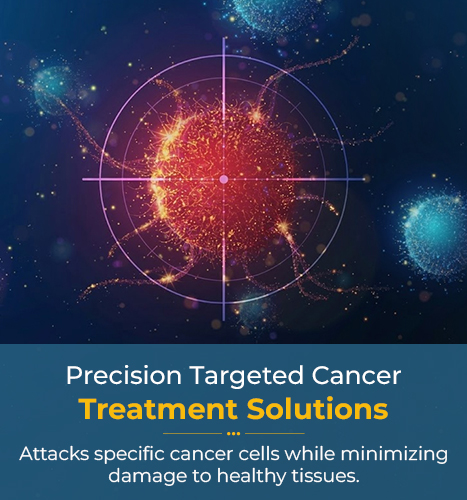
Targeted therapy doctor in delhi
Targeted therapy uses medicines designed to act on specific changes in cancer cells that help them grow, divide or spread. Because these treatments target specific molecular features, specialised evaluation is important to determine whether a patient’s cancer may respond.
When Should You Consult a Targeted Therapy Specialist?
You may consider consulting a specialist if:
- You have been diagnosed with advanced or recurrent cancer
- Your cancer has specific molecular or genetic characteristics
- You have received biomarker or tumour profiling results
- You want to understand whether targeted therapy is an option
- You are considering a second opinion on your treatment plan
Diagnosis and Treatment Planning
Before targeted therapy is recommended, the oncologist may review biopsy and pathology reports, imaging and biomarker or molecular testing. The treatment chosen depends on the cancer type, stage, specific tumour characteristics and previous treatment. Targeted therapy may be used alone or alongside chemotherapy, immunotherapy, radiation or other treatments when appropriate.
Targeted Therapy Care at MOC
At MOC Cancer Care & Research Centre, oncology specialists evaluate a patient’s cancer characteristics and medical history to determine whether targeted treatment is suitable. The team can also help patients understand their test results, available treatment approaches and the role of targeted therapy in their overall cancer care.
For personalised guidance on whether targeted therapy may be right for you, consult the oncology specialists at MOC Cancer Care in Delhi and book your consultation.
Book Your Slot Today
No charges. No obligations. Just expert guidance.
Meet Our Oncologists
Highly experienced, compassionate leaders in cancer care.

Dr. Nikhil Himthani
Medical Oncologist
MOC Cancer Care, Lajpat Nagar, Delhi
D.M (Medical Oncology), M.D (Internal Medicine)
View Datails
Dr. Raman Narang
Medical Oncologist
MOC Cancer Care, Lajpat Nagar, Delhi
DrNB (Medical Oncology), DNB ECMO (European Certification in Medical Oncology)
View Datails
Dr. Tanvi Singh
Consultant – Medical Oncology
MOC Cancer Care, Pusa Road
MBBS, MD (Radiation Oncology), DrNB (Medical Oncology)
View DatailsFrequently Asked Questions
Common questions answered by our experts
Targeted therapy uses medicines designed to act on specific changes or proteins that help cancer cells grow, divide or spread. Unlike chemotherapy, which can affect many rapidly dividing cells, targeted treatments focus on particular features of cancer cells. They may be used before or after surgery, for advanced cancer, or when cancer has returned, depending on the cancer type and its specific characteristics. Testing the cancer cells can help doctors determine whether a targeted treatment is likely to be beneficial.
A doctor considers the type and stage of cancer, whether it has spread, previous treatments and the patient’s overall health. The cancer may also need to be tested for specific proteins, mutations, genes or other molecular changes that a targeted medicine can act on. The potential benefits, possible side effects and other treatment options are also considered. Targeted therapy is not suitable for every cancer or every patient, so the treatment plan is tailored to the individual’s cancer characteristics and medical needs.
The tests depend on the type of cancer and the targeted treatment being considered. Doctors may examine a biopsy or tumour sample for specific proteins, mutations, genes or other molecular features that can indicate whether a targeted medicine may work. Blood tests and imaging may also be performed to assess the cancer and the patient’s overall health. Depending on the treatment, additional tests may be needed during therapy to monitor the response and identify potential side effects.
Yes. Targeted therapy can sometimes be combined with other cancer treatments, including chemotherapy or immunotherapy. The combination depends on the type and stage of cancer and the specific characteristics of the tumour. Using treatments together may allow cancer to be targeted in different ways, but combinations can also increase the risk of side effects. An oncologist will consider the expected benefits, risks and available evidence before recommending a combination treatment for an individual patient.
Side effects vary depending on the targeted medicine and the type of cancer being treated. Possible effects include tiredness, diarrhoea, skin rashes, mouth sores, nail changes, high blood pressure and liver problems. Some targeted treatments may also affect blood clotting, wound healing, the heart or other organs. Not everyone experiences the same side effects. Your healthcare team will explain the possible risks and monitor you during treatment so that side effects can be identified and managed promptly.
Monitoring schedules vary depending on the cancer, targeted medicine, treatment plan and the patient’s overall health. During treatment, doctors may use regular consultations, blood tests, imaging or other assessments to check whether the cancer is responding and whether treatment is causing side effects. Some patients may need more frequent monitoring when starting a medicine or if side effects develop. The oncologist will determine the appropriate monitoring schedule and may adjust treatment based on the patient’s response and test results.
If you are considering targeted therapy, you can consult the oncology specialists at MOC Cancer Care & Research Centre in Delhi. The team can evaluate your cancer type, stage, previous treatment and relevant test results to determine whether targeted therapy may be appropriate for you. To book a consultation, visit MOC Cancer Care or contact their team directly. Carry your biopsy, pathology reports, scans and previous treatment records to help the specialist understand your medical history and plan the next steps.


