
Oncology Physiotherapist in Delhi
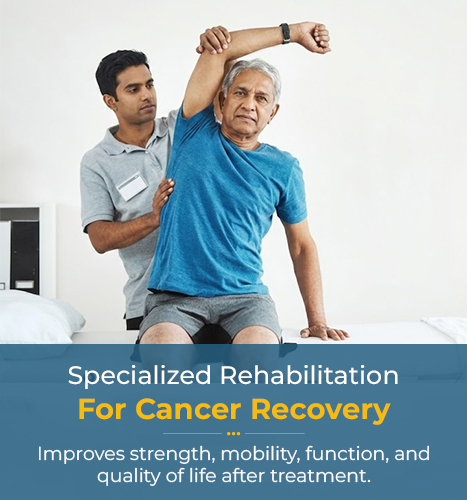
Oncology physiotherapy is a specialized rehabilitation approach that helps people manage physical challenges related to cancer and its treatment. It can support recovery after surgery and help address weakness, reduced mobility, fatigue, pain, balance difficulties, and other functional concerns. A personalized rehabilitation plan can help patients gradually return to daily activities while considering their treatment, physical condition, and recovery goals.
When Should You Consult an Oncology Physiotherapist?
You may benefit from oncology physiotherapy if you experience:
- Weakness or reduced physical strength
- Persistent fatigue during or after treatment
- Reduced mobility or flexibility
- Difficulty performing everyday activities
- Pain or movement restrictions after surgery
- Swelling or suspected lymphoedema
- Reduced balance or endurance
Assessment and Rehabilitation
A physiotherapist assesses your physical condition, treatment history and functional needs before developing a rehabilitation program. Depending on your condition, this may include mobility exercises, stretching, strengthening, balance training, walking or breathing exercises. Patients with lymphoedema may require specialized management. Exercise intensity is adjusted according to the stage of recovery and ongoing cancer treatment.
Oncology Rehabilitation at MOC
At MOC Cancer Care & Research Center, patients can discuss rehabilitation needs with the oncology team as part of their overall cancer care. The team can help assess individual concerns and guide patients towards appropriate supportive and rehabilitative care.
For personalized guidance on rehabilitation during or after cancer treatment, consult the oncology team at MOC Cancer Care in Delhi and book your consultation.
Book Your Slot Today
No charges. No obligations. Just expert guidance.
Meet Our Oncologists
Highly experienced, compassionate leaders in cancer care.

Dr. Nikhil Himthani
Medical Oncologist
MOC Cancer Care, Lajpat Nagar, Delhi
D.M (Medical Oncology), M.D (Internal Medicine)
View Datails
Dr. Raman Narang
Medical Oncologist
MOC Cancer Care, Lajpat Nagar, Delhi
DrNB (Medical Oncology), DNB ECMO (European Certification in Medical Oncology)
View Datails
Dr. Tanvi Singh
Consultant – Medical Oncology
MOC Cancer Care, Pusa Road
MBBS, MD (Radiation Oncology), DrNB (Medical Oncology)
View DatailsFrequently Asked Questions
Common questions answered by our experts
Oncology physiotherapy is a specialised form of rehabilitation designed to help people manage physical changes caused by cancer and its treatment. It can help improve strength, mobility, flexibility, balance, endurance and daily functioning. People may benefit before, during or after cancer treatment, particularly those experiencing weakness, pain, fatigue, reduced mobility or swelling. A physiotherapist can assess individual needs and create a rehabilitation plan that complements the patient’s overall cancer care.
Cancer surgery can sometimes lead to weakness, reduced movement, pain, stiffness or difficulty returning to everyday activities. Physiotherapy can help patients gradually regain strength, mobility and flexibility while adapting exercises to their recovery. Depending on the surgery, rehabilitation may include movement exercises, strengthening, balance training and guidance for safely resuming daily activities. Starting rehabilitation at an appropriate stage can support recovery and help patients regain independence. The programme should always be tailored to the type of surgery and individual health needs.
Yes. Cancer and its treatment can cause significant fatigue and loss of physical strength. Oncology rehabilitation can help patients gradually rebuild stamina, strength and functional ability. A physiotherapist may recommend an individually tailored activity programme based on the patient’s energy levels and medical condition. Gentle, progressive exercise can help improve endurance and may reduce cancer-related fatigue. Patients who have been inactive should speak with their healthcare team before beginning a new exercise programme to ensure it is appropriate for their condition.
The right exercises depend on the cancer type, treatment, physical condition and individual goals. A rehabilitation programme may include walking or other aerobic activity, gentle stretching, mobility exercises, balance training and progressive strength exercises. Exercise should generally begin at an appropriate level and increase gradually as tolerated. Patients recovering from surgery or undergoing active treatment may need specific modifications. A physiotherapist or other member of the cancer care team can recommend exercises that are safe and suitable for the individual.
Yes. Specialised lymphedema therapy can help manage swelling that may develop after cancer treatment. Depending on the individual, treatment may include gentle exercises, manual lymph drainage, compression bandages or compression garments. A trained therapist can assess the affected area and teach techniques for managing symptoms safely. The treatment plan depends on the severity and cause of the swelling. Manual lymph drainage should not be performed in certain situations, including infection, blood clots or active cancer in the affected area, without appropriate medical guidance.
Cancer rehabilitation can be provided before, during and after cancer treatment, but the programme needs to be personalised. During chemotherapy or radiation therapy, a physiotherapist may modify the intensity and type of exercise according to symptoms, treatment effects and overall health. The cancer care team should be involved in planning rehabilitation, particularly if the patient has significant fatigue, weakness, pain or other complications. Your healthcare team can determine which activities are appropriate and when they should be performed.
If you are undergoing cancer treatment or experiencing weakness, fatigue, pain, reduced mobility or swelling, speak with your oncologist about oncology rehabilitation. MOC Cancer Care & Research Centre can help you discuss rehabilitation needs as part of your overall cancer care and guide you on the appropriate next step. To consult the MOC team, visit MOC Cancer Care or contact them directly. Keep your diagnosis, treatment details, surgery records and recent reports available during your consultation. MOC describes its cancer care model as including consideration of patients’ rehabilitation needs.


