

Chemotherapy specialist in delhi
Chemotherapy uses medicines to destroy or slow the growth of cancer cells and may be recommended at different stages of cancer treatment. It can be used before or after surgery, alongside other treatments, or to control advanced cancer. Because chemotherapy choices vary by cancer type and treatment goals, consulting an experienced medical oncologist is important for selecting an appropriate treatment plan.
When Should You Consult a Chemotherapy Specialist?
You may consider consulting a specialist if:
- You have been diagnosed with cancer and chemotherapy has been recommended
- You need to understand whether chemotherapy is appropriate for you
- You are preparing to begin systemic cancer treatment
- You have concerns about chemotherapy side effects
- Your cancer has returned or progressed
- You are seeking a second opinion on your treatment plan
Diagnosis and Treatment Planning
Before recommending chemotherapy, the oncologist reviews the cancer type, stage, pathology reports, imaging, previous treatments, and overall health. Blood tests and assessments of organ function may also be required. Depending on the cancer, chemotherapy may be given alone or combined with surgery, radiation, immunotherapy, targeted therapy, or other treatments.
Chemotherapy Care at MOC
At MOC Cancer Care & Research Center, oncology specialists evaluate each patient’s diagnosis and treatment history to develop an appropriate chemotherapy plan. The team can also guide patients through treatment monitoring, supportive care, and management of potential side effects.
For personalized guidance on chemotherapy and your available treatment options, consult the oncology specialists at MOC Cancer Care in Delhi and book your consultation.
Book Your Slot Today
No charges. No obligations. Just expert guidance.
Meet Our Oncologists
Highly experienced, compassionate leaders in cancer care.

Dr. Nikhil Himthani
Medical Oncologist
MOC Cancer Care, Lajpat Nagar, Delhi
D.M (Medical Oncology), M.D (Internal Medicine)
View Datails
Dr. Raman Narang
Medical Oncologist
MOC Cancer Care, Lajpat Nagar, Delhi
DrNB (Medical Oncology), DNB ECMO (European Certification in Medical Oncology)
View Datails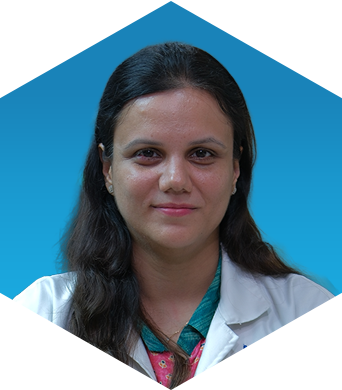
Dr. Tanvi Singh
Consultant – Medical Oncology
MOC Cancer Care, Pusa Road
MBBS, MD (Radiation Oncology), DrNB (Medical Oncology)
View DatailsFrequently Asked Questions
Common questions answered by our experts
Chemotherapy may be recommended depending on the type and stage of cancer and the goals of treatment. It may be used as the main treatment to destroy cancer cells, after surgery to eliminate cancer cells that may remain, or before surgery or radiation to shrink a tumour. In advanced cancer, chemotherapy may also help control cancer growth and relieve symptoms. Not everyone with cancer needs chemotherapy. An oncologist will determine whether it is appropriate based on the individual cancer and overall health.
An oncologist considers several factors when selecting chemotherapy, including the type and stage of cancer, where it has spread, previous treatments and the patient’s overall health. The treatment goal is also important, whether the aim is to cure the cancer, reduce the risk of recurrence, control its growth or relieve symptoms. Your doctor may recommend one chemotherapy medicine or a combination of medicines, depending on what is most appropriate for your specific cancer and treatment goals.
Before chemotherapy, doctors may perform blood tests to check blood cell counts and kidney and liver function. Depending on the medicines being considered, heart tests may also be needed to assess whether the body is ready for treatment. Your doctor may review existing medical conditions, medicines and previous treatments as well. In some cases, a dental examination may be recommended to identify infections before treatment begins. These assessments help doctors select an appropriate medicine and dose and reduce the risk of complications.
Yes. Chemotherapy can be used alongside other cancer treatments depending on the type and stage of cancer. It may be given before surgery or radiation to shrink a tumour, or after surgery to destroy cancer cells that may remain. For certain cancers, chemotherapy may also be combined with immunotherapy or other medicines. The combination and timing depend on the individual cancer, treatment goals and overall health. Your oncologist will assess the potential benefits and risks before recommending a treatment plan.
Chemotherapy affects rapidly growing cells, so side effects can vary depending on the medicines and doses used. Common side effects include tiredness, nausea, vomiting, diarrhoea, constipation, loss of appetite, mouth sores and hair loss. Some patients may also experience changes in blood cell counts, increasing the risk of infection, bruising or bleeding. Not everyone experiences the same side effects, and many can be prevented or managed with supportive medicines and appropriate monitoring during treatment.
Patients are monitored regularly throughout chemotherapy. Doctors may check blood counts, You can ask your doctor what type and stage of breast cancer you have and whether it has spread to the lymph nodes or other parts of the body. Ask what your biopsy and biomarker results mean, including hormone receptor and HER2 status. You can also ask which treatments are recommended, why they are being suggested, what benefits and side effects to expect, and whether you need additional tests or a second opinion. Taking your reports and written questions can make the consultation easier.kidney and liver function, vital signs and other relevant tests to determine whether treatment can continue safely. Scans and other tests may also be used to assess how the cancer is responding. Side effects such as nausea can often be prevented or controlled with medicines, while chemotherapy doses or schedules may be adjusted if significant side effects occur. Patients should report new or worsening symptoms to their cancer care team promptly.
If you have been diagnosed with cancer and are considering chemotherapy, you can consult the oncology specialists at MOC Cancer Care & Research Centre in Delhi. The team can review your cancer type, stage, previous treatment and medical reports to determine whether chemotherapy may be appropriate and discuss the available treatment options. To book a consultation, visit MOC Cancer Care or contact their team directly. Carry your biopsy, pathology reports, scans and previous treatment records for your consultation.


